
On campuses, we constantly hear the same questions.
How does sustainable change actually happen inside a company?
What does a sustainability job look like beyond the job description?
If you could start over in your early twenties, what would you do differently?
So we used our time at GreenBiz26 to ask those questions directly.
Between sessions and on the conference floor, we spoke with corporate sustainability leads, climate strategists, consultants, founders, and storytellers. We wanted to understand how change really happens and how we can better activate careers that genuinely help the environment.
Across industries and roles, the pattern was hard to miss.
Sustainability is not just a technical challenge. It is a human one.
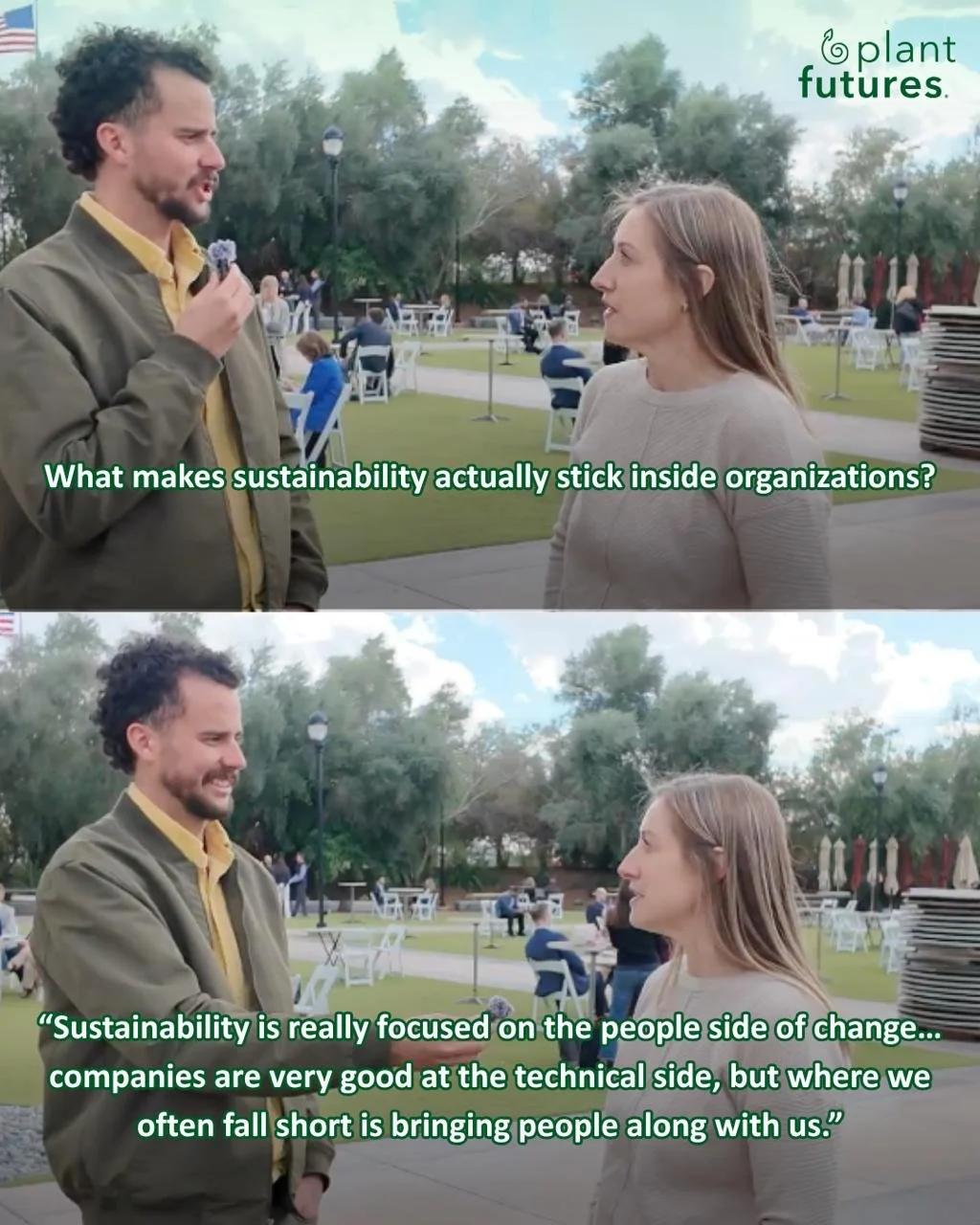
Change does not fail on strategy. It fails on people.
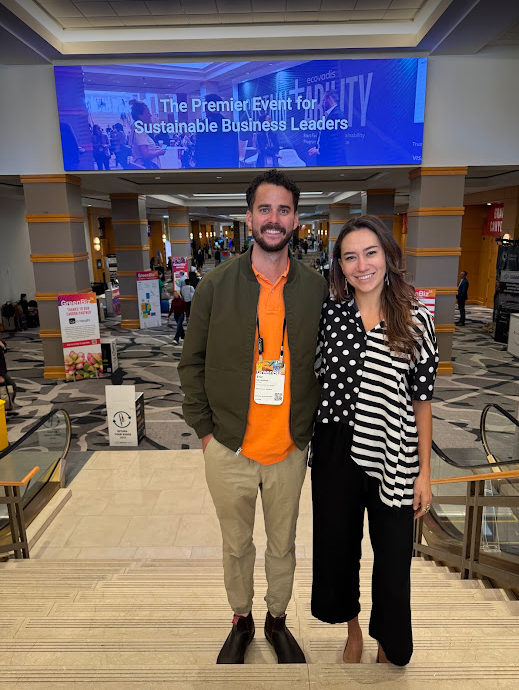
Heather Pound from Boston Scientific named it immediately.
“Companies tend to be very good at the technical side. Project management, systems, processes. But where we often fall short is bringing people along with us.”
That tension felt familiar. Organizations know how to build roadmaps. They know how to set targets. But sustainability efforts stall when teams are confused, resistant, or disconnected from the purpose behind the work.
Heather described the real work as combining the operational side of change with the human side.
“What we’re trying to do in sustainability is really zipper those two things together.”
That means understanding where people are in the journey. Are they aware of the change? Do they understand it? Has it already rolled out and now there is resistance?
It also means communication cannot be treated as a checkbox.
“It’s not just sending a newsletter and calling it done”
Effective change requires listening, adjusting, and meeting people where they are. Sustainability has to make sense in the context of someone’s actual role and daily responsibilities.
If sustainability feels imposed, it creates friction.
For students hoping to enter this field, that insight matters.
The job is not just building the strategy. It is building the culture around it.
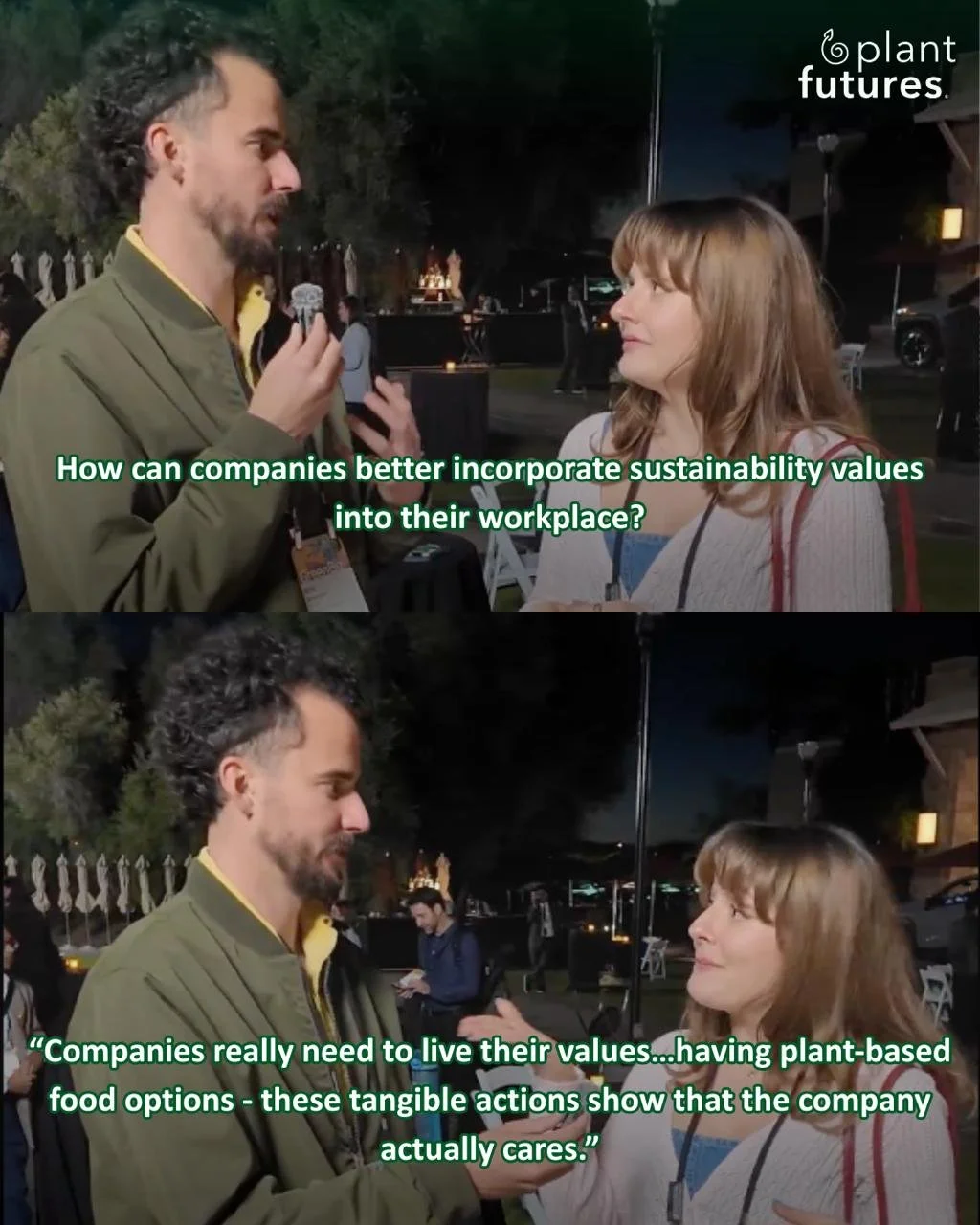
Make it tangible
Kendall, who works on the enterprise sustainability team at Wells Fargo, brought a behavioral lens to the conversation.
Her academic work focused on why people hold certain perceptions about climate change and how to engage them without overwhelming them.
Her advice was straightforward.
“Cut out jargon and focus on what’s tangible to people.”
She shared that her grandparents in rural Illinois talk often about how weather patterns are impacting crops near them, but they do not frame it as climate change.
That gap is instructive.
People respond to lived experience more than abstract terminology. If sustainability language feels distant, political, or overly technical, it loses traction. If it connects to what people are already seeing in their communities, it becomes personal.
Kendall also pushed back on the constant urgency narrative that many young people absorb.
“Don’t let that doom and gloom narrative stop you,”
she said. “There’s always room for hope, and hope is important.”
Hope, in this context, is not naive. It is necessary.
For Gen Z entering the workforce, she was clear that values matter deeply. Companies cannot simply talk about sustainability. They have to demonstrate it.
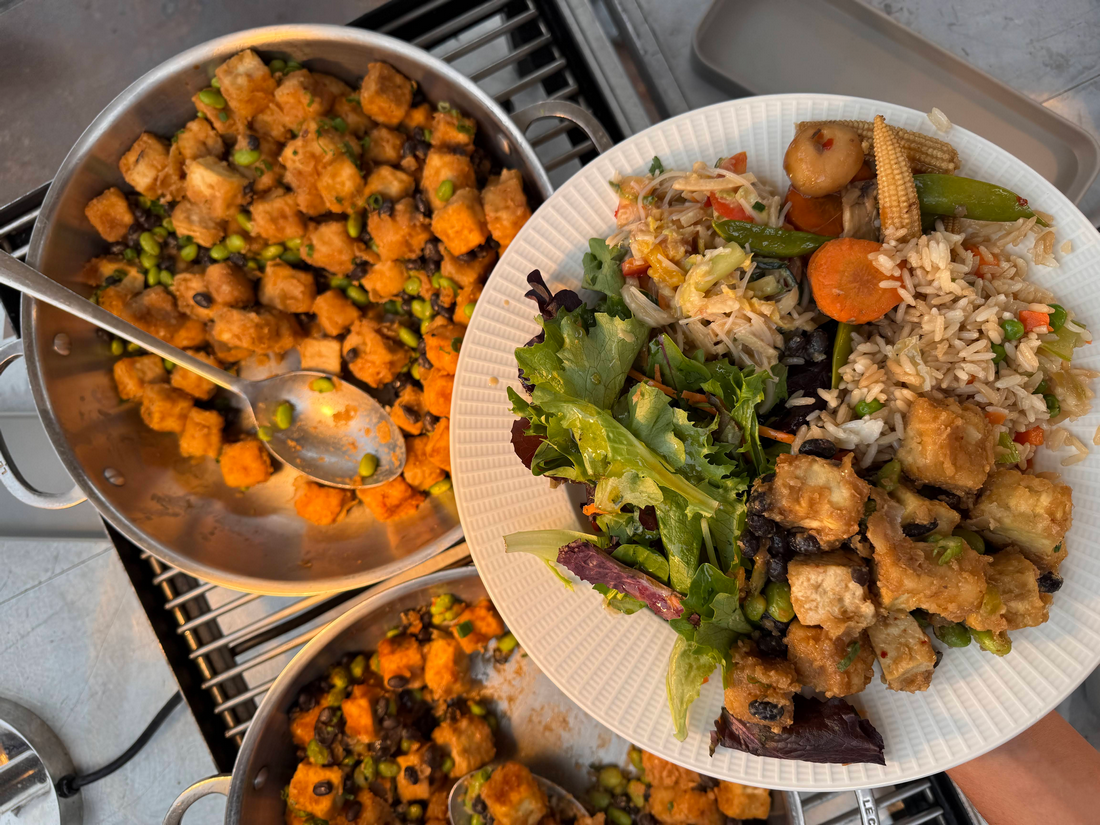
“If they want to attract Gen Z talent, they need sustainability programs, solid recycling systems, plant based food options. These tangible actions show that the company actually cares.”
Culture is visible. Young employees notice.
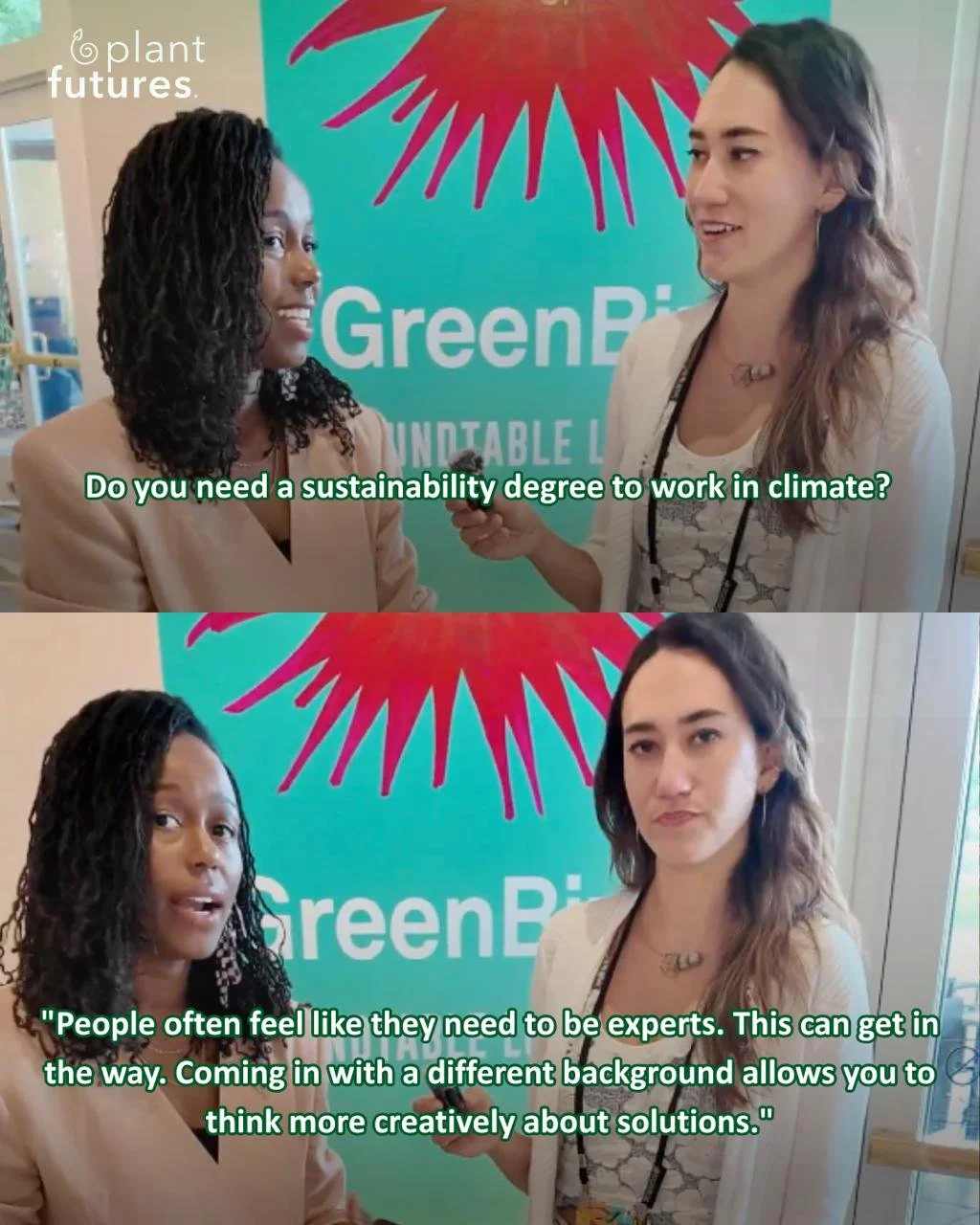
There is no single path into this work
One of the most reassuring themes that emerged was how nonlinear sustainability careers actually are.
Camille Ford, now a climate and impact strategist at QB Consulting, began her career as an accountant.
“My path definitely wasn’t linear,” she said.
From accounting to tech to corporate social responsibility to circularity partnerships, she built her sustainability experience piece by piece.
Her advice to students felt grounding.
“Get started exactly where you are, with what you have.”
You do not need to know everything before entering the conversation. You do not need the perfect degree. You need initiative and a willingness to step into rooms where you might not have all the answers.
“I don’t have a climate science background,” she said.
“But I’m connected to people who do.”
Sustainability is collaborative work where networks and curiosity matters.
That mindset showed up again in our conversation with Kristy Drutman, founder of Brown Girl Green and co CEO of Green Jobs Board.
For students interested in storytelling and media, she encouraged action over perfection.
“Pick the medium you feel most passionate about,” she said. “Build a portfolio by collaborating with friends to experiment with creative strategies for telling stories.”
The emphasis was on momentum. You become a storyteller by telling stories.
You build credibility by creating. The climate space needs creatives, translators, connectors, not just analysts and policy experts.
Careers that help the environment are rarely linear. They are built through experimentation, relationships, and sustained effort.
Food systems as a bridge
At a conference filled with conversations about renewable energy and decarbonization, food systems had a smaller footprint than they deserve. But when food did come up, it felt powerful.
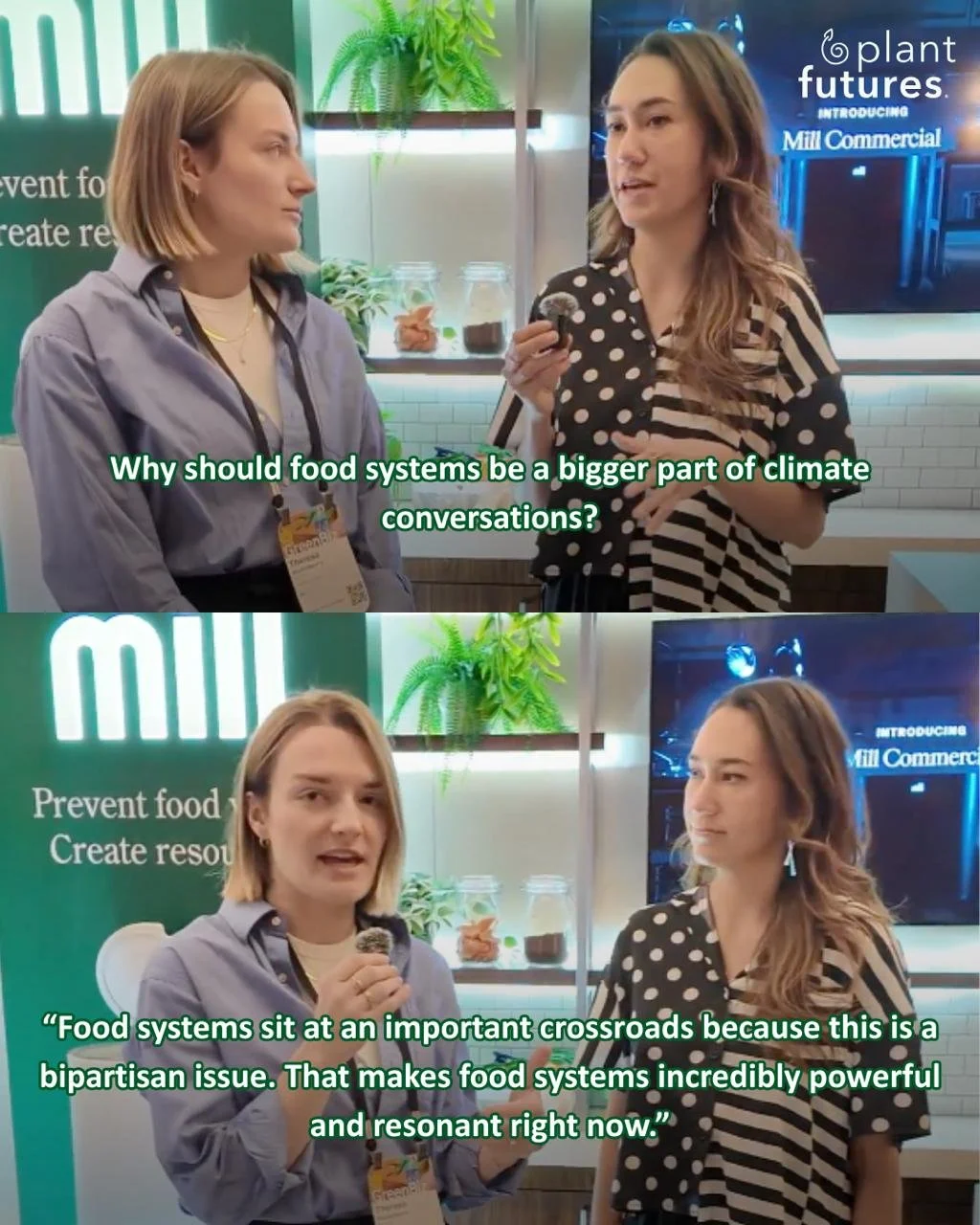
Theresa Huckleberry, who works on food waste solutions at Mill, reminded us how significant food waste is in the climate conversation.
“The impact of food waste on the climate is tremendous,” she said. “When food ends up in landfills, it releases methane, which is far more potent than many other greenhouse gases.”
What stood out even more was how she framed food as a unifier.
“Food waste is a bipartisan issue,” she said. “It doesn’t have to be framed as climate. It can be about landfill capacity, operational efficiency, and the responsibility we leave to future generations.”
Food is daily. It is universal. It crosses political and geographic lines.
For students especially, food systems offer an entry point that feels tangible
and human, not abstract.
What this means for your career journey.
By the end of the conference, the throughline was clear.
If you want to activate careers that genuinely help the environment, you have to understand people.
You have to understand how organizations really function, communicate clearly, and build trust across different perspectives. You have to live your values in ways people can actually see and feel.
And you do not have to wait until you feel perfectly prepared.
As Heather reminded us, “Change is the only constant.”
The leaders we spoke with are not waiting for perfect conditions. They are learning how to bring others with them.
For the students watching and stepping forward, that should feel less intimidating and more possible.
There is room for you in this work.
