

GreenBiz 2026 brought together sustainability leaders, operators, and executives responsible for translating environmental commitments into day to day business decisions. Across the program, the focus was less on announcing new pledges and more on examining how sustainability is structured, communicated, and implemented inside complex organizations.
Throughout the week, several themes consistently surfaced: who holds decision making authority, how sustainability is communicated internally and externally, and what it looks like when stewardship is treated as an operational priority rather than a side initiative.
Who Owns the Work?
The opening keynote set the tone with a debate about the role of the Chief Sustainability Officer.
The discussion quickly moved beyond the title itself and into organizational design. In many companies, sustainability leaders are responsible for ambitious climate and biodiversity targets, yet procurement, capital allocation, logistics, and product development sit in other departments. When environmental goals are housed in one team and financial authority in another, progress depends largely on influence.
Throughout the week, speakers emphasized that sustainability becomes durable when responsibility is shared. When finance teams factor climate risk into capital planning, when sourcing teams integrate environmental criteria into supplier decisions, and when operations teams track efficiency and emissions alongside performance metrics, sustainability shifts from aspiration to execution.
That structural question naturally leads to another one: even when responsibility is distributed, how do organizations ensure alignment?
Communication as a Lever

Communication emerged as one of the most consistent themes across sessions.
Many companies represented at GreenBiz have established sustainability strategies. The challenge is ensuring those strategies influence departments beyond the sustainability team. A recurring question surfaced in different forms: how are audiences across the organization engaged so impact actually happens?
Procurement teams focus on cost and reliability. Operations teams prioritize workflow and performance. Finance teams monitor margins and risk exposure. Climate change intersects with each of these areas, but the connection must be clearly articulated.
Speakers described the importance of translating environmental goals into the language of each function. That might mean linking a sourcing shift to long term supply chain resilience, explaining how an efficiency investment reduces cost volatility, or clarifying how regulatory trends could affect future capital allocation. Listening was equally important. Implementation often reveals operational realities that require adaptation.
Externally, clarity matters as much as internal alignment. Investors, partners, and customers are asking for specificity around measurement and progress. As scrutiny increases, credibility depends on precision rather than broad environmental claims.
When communication is deliberate and grounded, sustainability is more likely to influence how decisions are made.
Agriculture, Water, and Stewardship
The themes of structure and integration extended beyond corporate governance and into ecosystems.
In a session on nature and biodiversity pathways, Gabrielle Katanic from Lundberg Family Farms spoke about the company’s evolving approach to water and watershed stewardship. Rather than focusing solely on production output, the conversation centered on long term ecosystem health and the role agriculture plays within it.
That perspective reframes agriculture within the systems it depends on. Water management, habitat integrity, and biodiversity are not peripheral concerns. They shape long term resilience and risk.
Partnership was central to the discussion. Regenerative practices cannot scale through one company acting alone. Growers, brands, and supply chain partners must coordinate across landscapes and timelines that extend beyond quarterly reporting cycles. The complexity of that coordination mirrors the internal alignment challenges discussed earlier in the week.
When Operations Reflect the Message
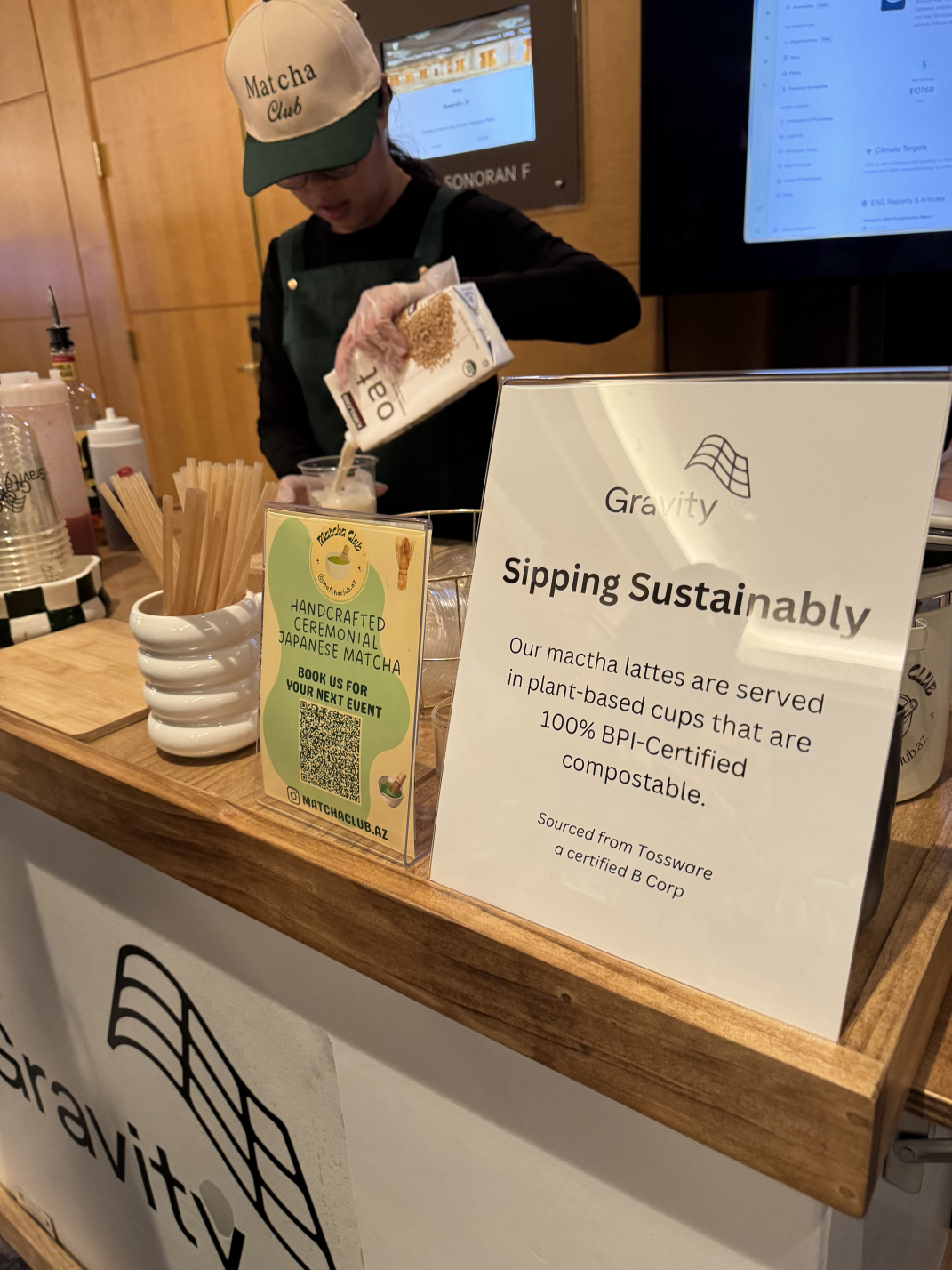
The link between message and practice was also visible in how the conference itself was organized.
Meals leaned plant forward, with vegetables, grains, and legumes positioned at the center of the plate while animal protein remained available but not dominant. The design choice aligned with broader conversations about food systems and emissions.
Reusable water cups were distributed through r.World and used throughout the venue. Attendees carried a cup between sessions and returned it for washing and recirculation, replacing what would typically be a steady stream of disposable cups.
Conference lanyards were produced from upcycled materials by Earthlight.eco and collected at the end of the event for reuse, with return bins placed near exits.
These operational decisions reinforced many of the themes discussed on stage. Procurement choices, waste systems, and food offerings are tangible expressions of priority.
Expectations Are Evolving
As these discussions unfolded, conversations with younger professionals added another dimension. Many described paying close attention to operational details when evaluating organizations, from sourcing standards to waste systems to how leadership speaks about climate risk.
Those day to day practices shape perceptions of whether sustainability is integrated into decision making or positioned primarily as external messaging. Over time, that perception influences trust, hiring decisions, and organizational culture.
Looking Ahead
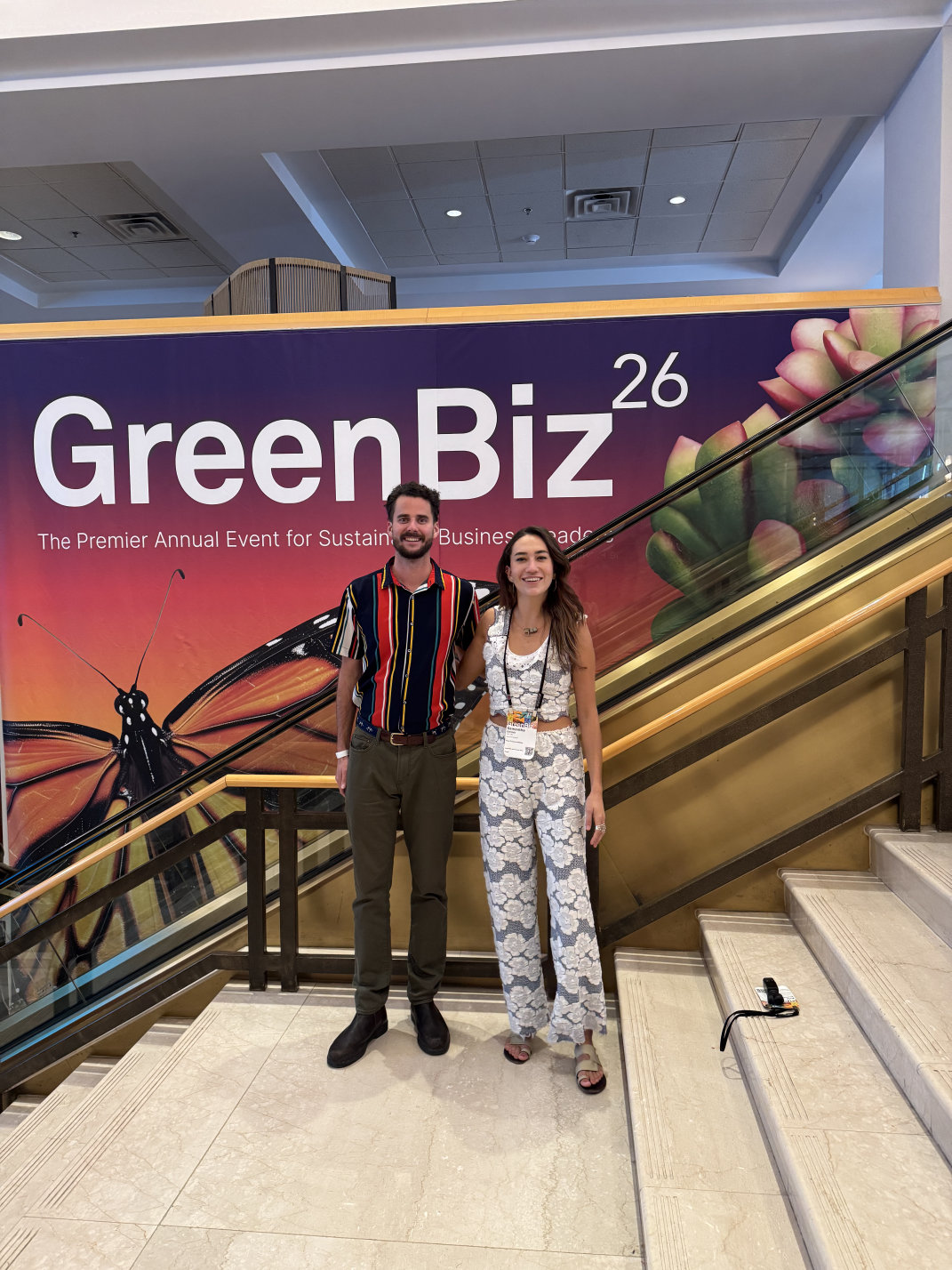
We left the conference energized by the leaders and practitioners advancing this work. We will be sharing on-the-ground interviews and deeper conversations with sustainability leaders about how they built their careers and how they think about creating meaningful impact. Their insights offer practical guidance for students, early career professionals, and operators navigating this evolving field.
What GreenBiz ultimately reinforced is that sustainability is no longer defined by ambition alone. It flows with how organizations distribute responsibility, communicate clearly, and make decisions that reflect long term stewardship. We’re excited to see the impact happen outside the conference, inside teams, budgets, partnerships, and everyday choices.