
What artists at SXSW are showing us about culture, care, and sustainability
Where culture is already shifting
At SXSW, conversations with artists flowed beyond music. What surfaced was a deeper look at how people build lives around creativity, how they take care of themselves while navigating demanding schedules, and how festivals and live spaces can evolve into something more thoughtful and connected.
What emerged wasn’t a critique of culture. It was a glimpse of where it’s already going.
For Plant Futures, these conversations are part of a broader effort to build a media and culture platform exploring where music, food, and sustainability intersect in ways that feel natural, not forced. The goal is not to position sustainability as something external, but to show how it already exists within the choices artists, organizers, and communities are making every day.
Across interviews, one idea kept resurfacing. Sustainability resonates most when it aligns with how people already want to live and leads to stronger social connection.
Where it starts: food, the body, and daily choices
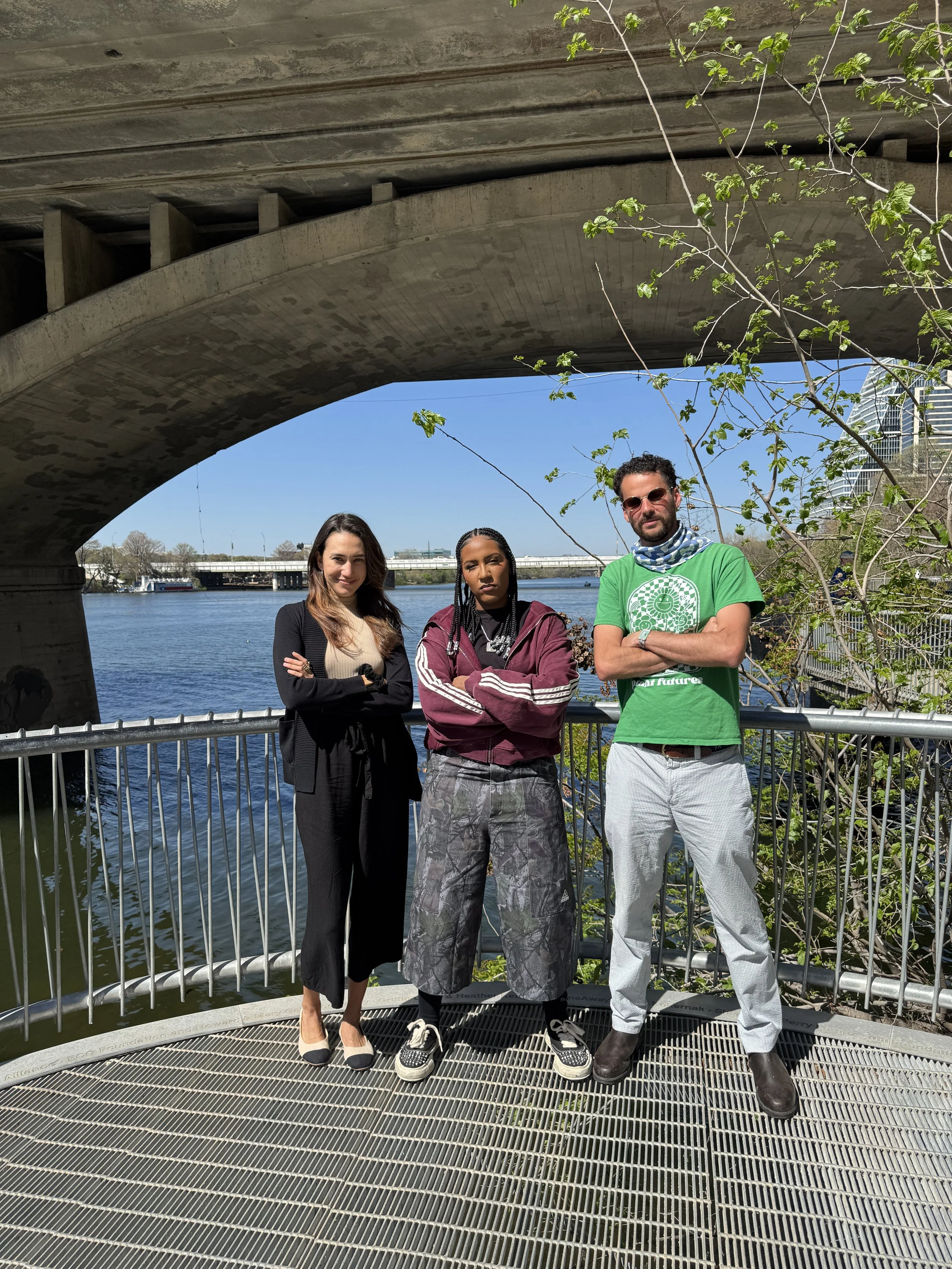
Poiison, Sam, and Eric
The most grounded conversations didn’t begin with systems. They began with food.
Poiison spoke about it as something tied to identity, travel, and self-respect. Moving between places, she described noticing how different food environments affect the body in real time. What feels nourishing in one place can feel completely different somewhere else.
“You are what you eat. It affects your mood. It’s crazy how many people can go days without eating a single fresh piece of fruit or vegetable. Don’t wait till the last minute to take care of yourself.”
She spoke about being intentional, describing herself as a flexitarian and paying attention to how food quality shifts depending on where she is. Her perspective wasn’t about restriction. It was about awareness. Eating more plants, paying attention to how your body responds, and choosing food that supports how you want to fee
That kind of awareness reframes sustainability entirely. It becomes less about distant systems and more about daily experience.
And when it comes to artists and individuals' ability to influence change, her perspective stays grounded.
“Worry about your little corner. ’Cause that can spread like a wildfire.”It’s not about trying to do everything at once. It’s about being conscious in your own life, how you eat, how you move, how you take care of yourself, and letting that energy carry outward. That’s how it reaches people”
Community is what makes it stick
From there, the conversation expands into community. Jessie Chambers described sustainability not as a fixed goal, but as something that grows out of connection.
“The more we connect with each other… that is sustainability.”
That idea shows up in how she tours. Instead of bringing the same group everywhere, she works with local artists in each city.
“I like to play with local musicians… it gives it more of a local feeling.”
That shift changes the energy of a performance. It becomes something shaped by the place itself rather than something dropped into it. The experience feels shared, not just delivered.
Glassio shared similar feelings around how sustainability needs to be rooted in social energy.
“Community and finding core common values is the foundation for how creative spaces evolve. Sustainability to me isn’t something you impose, but developed over time through what people choose to build together”
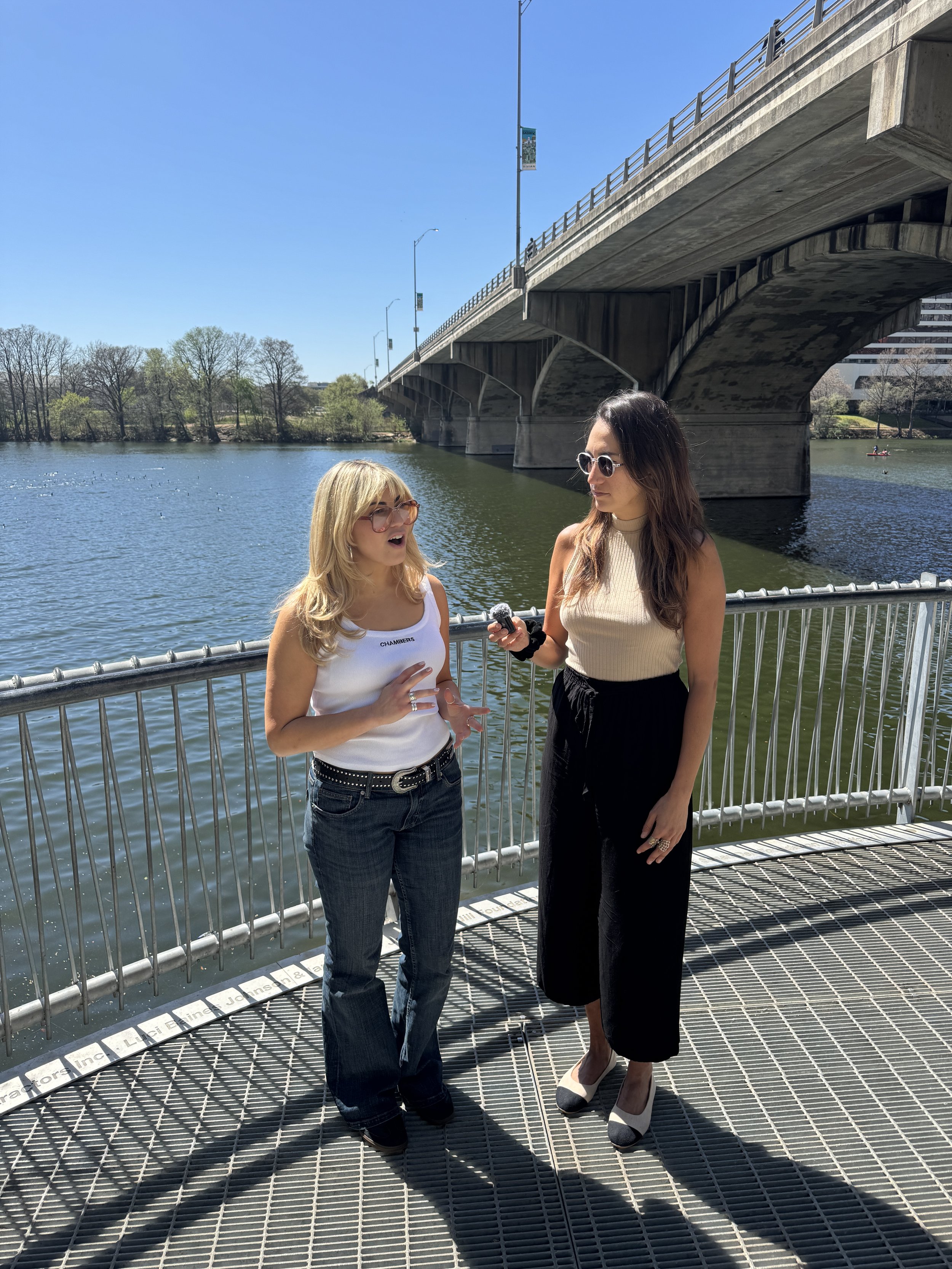
Jessie Chambers and Sam Derrick
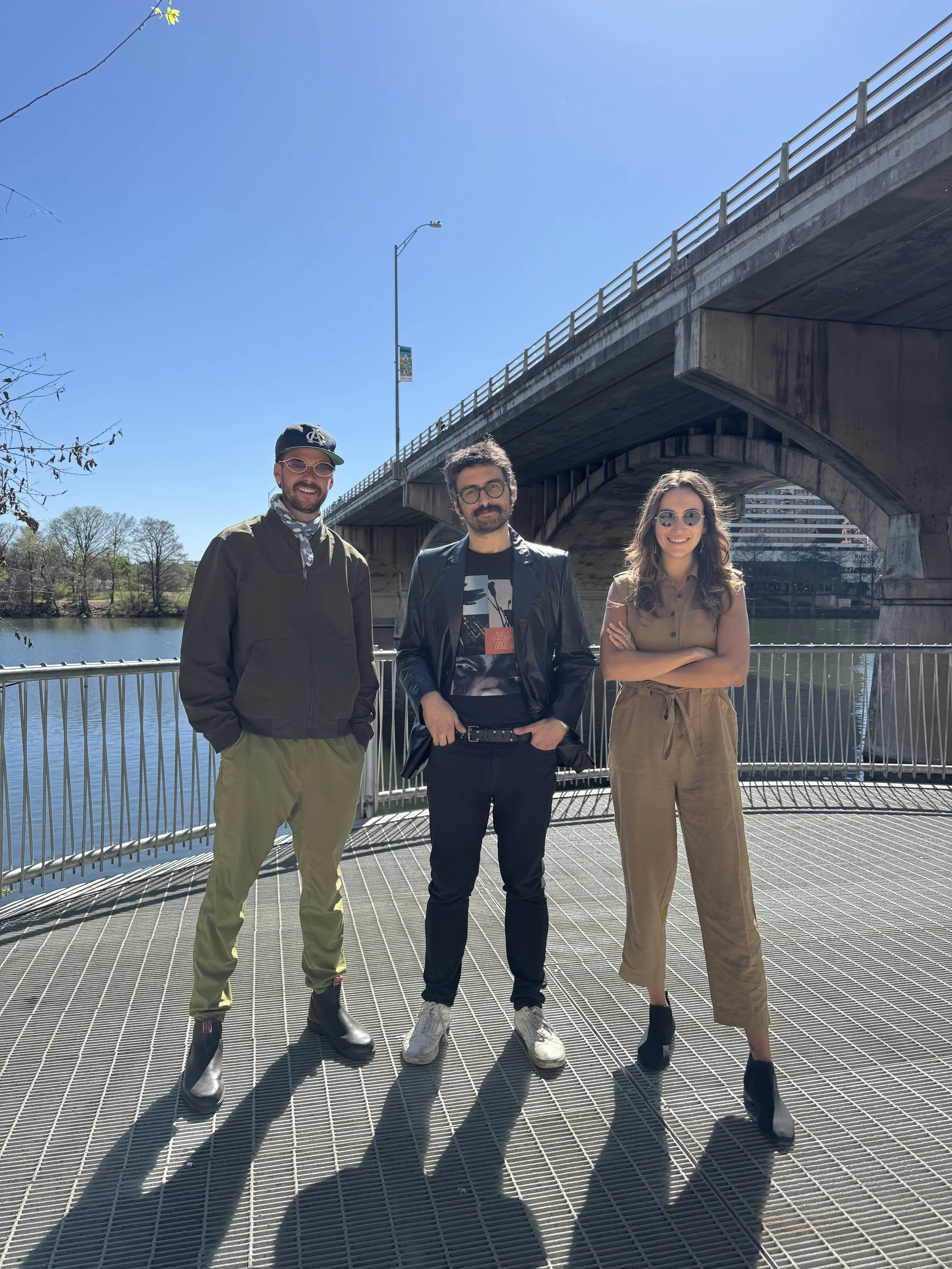
Glassio and Plant Futures
Festivals and events are where culture becomes behavior
Festivals are where these ideas become tangible.
They bring together music, food, infrastructure, and community in a way that shapes behavior. What’s offered, what’s normalized, and what feels easy all influence how people move through the experience.
Angela Autumn described being drawn to festivals that prioritize “group wellness and community wellness,” where local food, hands-on learning, and intentional programming are part of the environment.
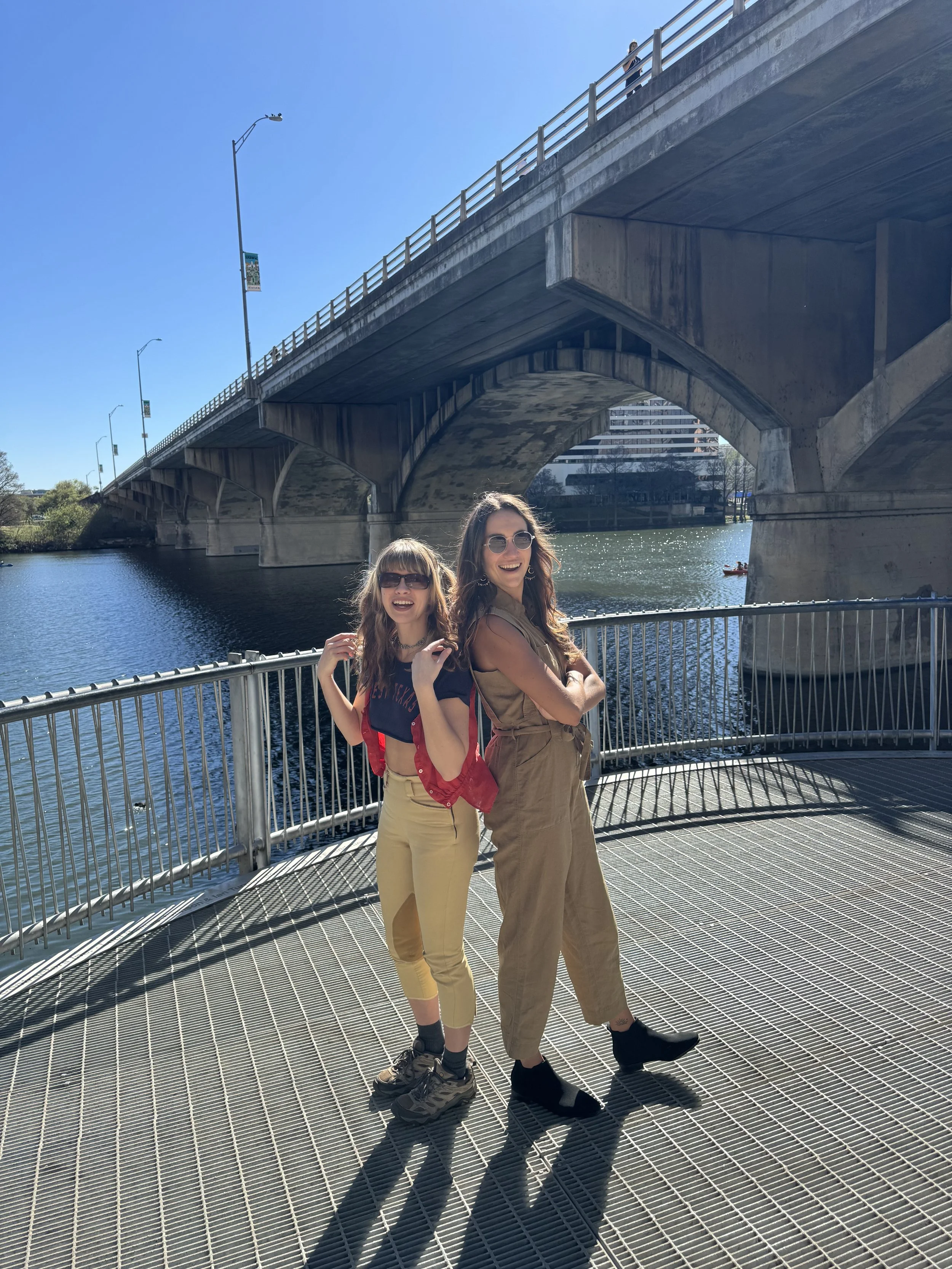
“I love when festivals just give you a cup… Fill it up. Don’t lose it.”
That kind of design removes friction. When sustainable choices are built into the experience, they don’t feel like decisions. They feel like desirable and normal.
Over time, those expectations travel. What starts in one place becomes something people begin to look for everywhere. For festivals, this is more than an operational shift. It’s a cultural one.
Designing culture with sustainability in mind
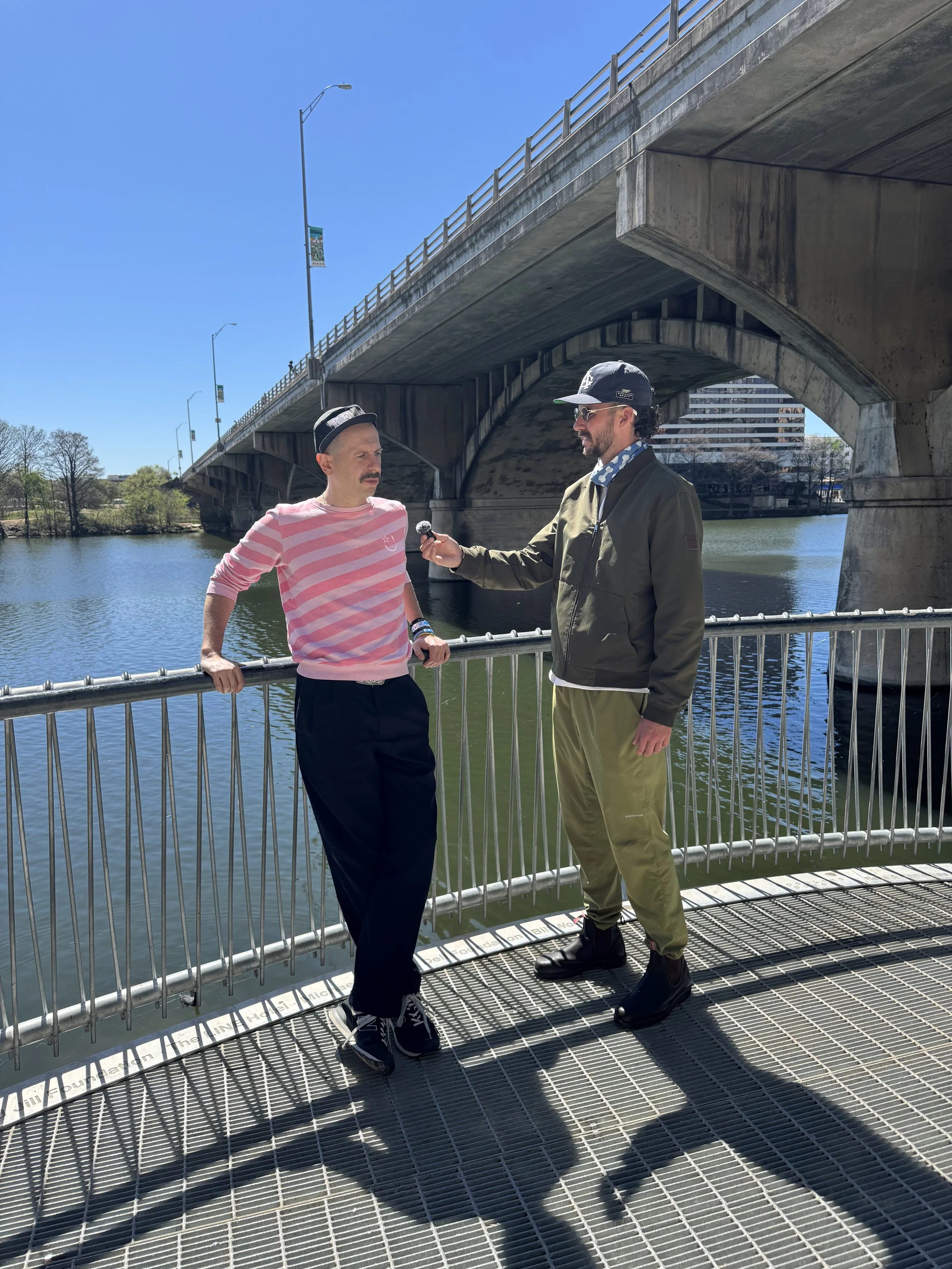
Boris and Eric
Artists were clear about one thing: the answer isn’t to scale back gathering. It’s to design it better. Boris, of Boris and the Joy, described shows as spaces that bring people back into connection, something essential.
“We do need to gather. We do need unity. We do need to feel community.”
The question isn’t whether these spaces should exist. It’s how they evolve.
Rather than questioning whether festivals and touring should exist, the focus shifts toward redesigning them. He highlighted examples such as refillable water systems and reduced reliance on single-use materials, and having more plant-based options, noting that large-scale tours are already beginning to implement these practices.
At the same time, the pace of change matters.
“I don’t expect people to just change overnight.”
That perspective creates room for participation and allows change to build over time.
Energy, influence, and the culture around the music
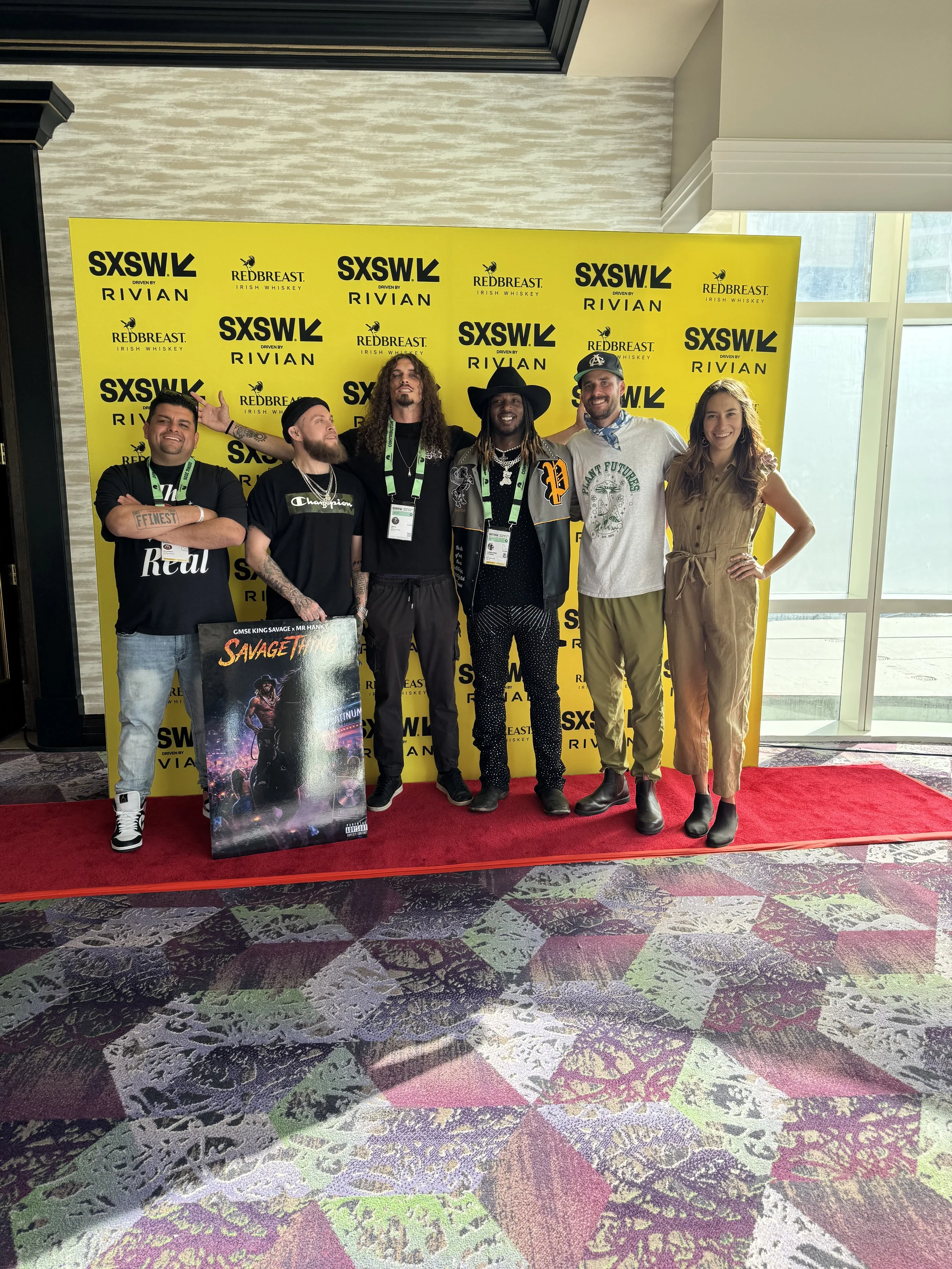
GMSE King Savage and Plant Futures
Even when sustainability wasn’t the direct topic, the same idea kept emerging. Culture is shaped by how people show up. GMSE King Savage put it simply:
“Just do the right thing. Your energy is everything. Fans and communities will respond to you.”
In live environments, that energy moves quickly. It shapes how people interact, what feels acceptable, and what gets reinforced.
Sustainable culture isn’t only built through infrastructure. It’s built through behavior, through what people model, what they normalize, and what they carry forward.
What this opens up
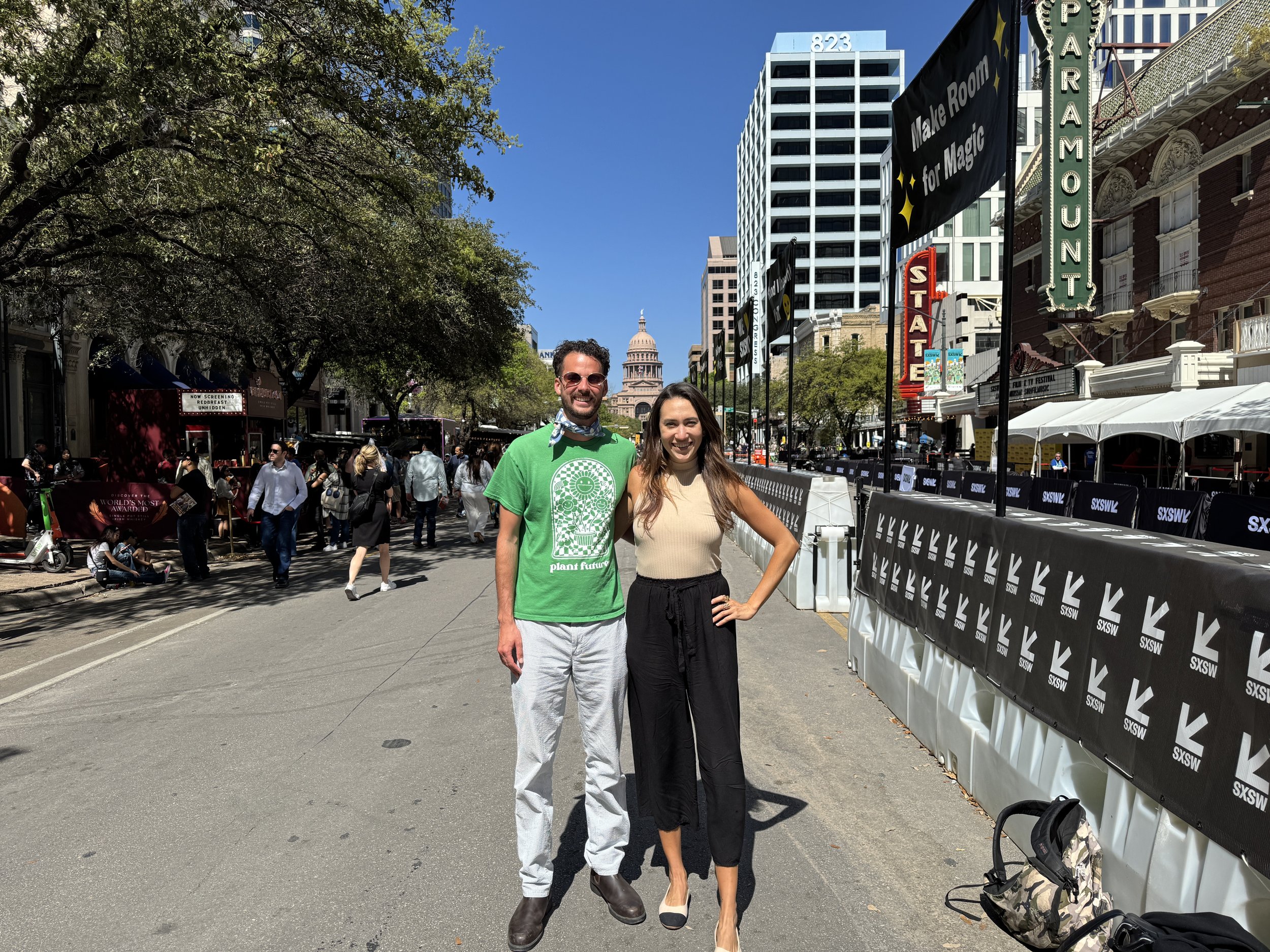
Across these conversations, sustainability didn’t show up as a single framework or defined agenda. It showed up in how artists take care of their bodies, how they collaborate, how they move through different places, and how festivals are designed.
It lives in the small decisions that shape experience, what’s served, who’s included, how spaces feel, and what becomes normal.That’s what makes this moment so important.
For festivals, cultural platforms, and partners across food, climate, and media, this isn’t about adding sustainability on top. It’s about recognizing that it’s already being built into culture from the inside out. Now is the time to lean into that.
We can design experiences that reflect how people want to feel: more energized, more connected, more grounded, and to make those experiences scalable across stages, cities, and communities. When sustainability is embedded into culture in this way, it doesn’t rely on messaging or pressure. It becomes something people flow with, participate in, and carry forward.
Plant Futures is continuing to explore and build in this space alongside artists, festivals, and partners who see that opportunity and want to shape what comes next.