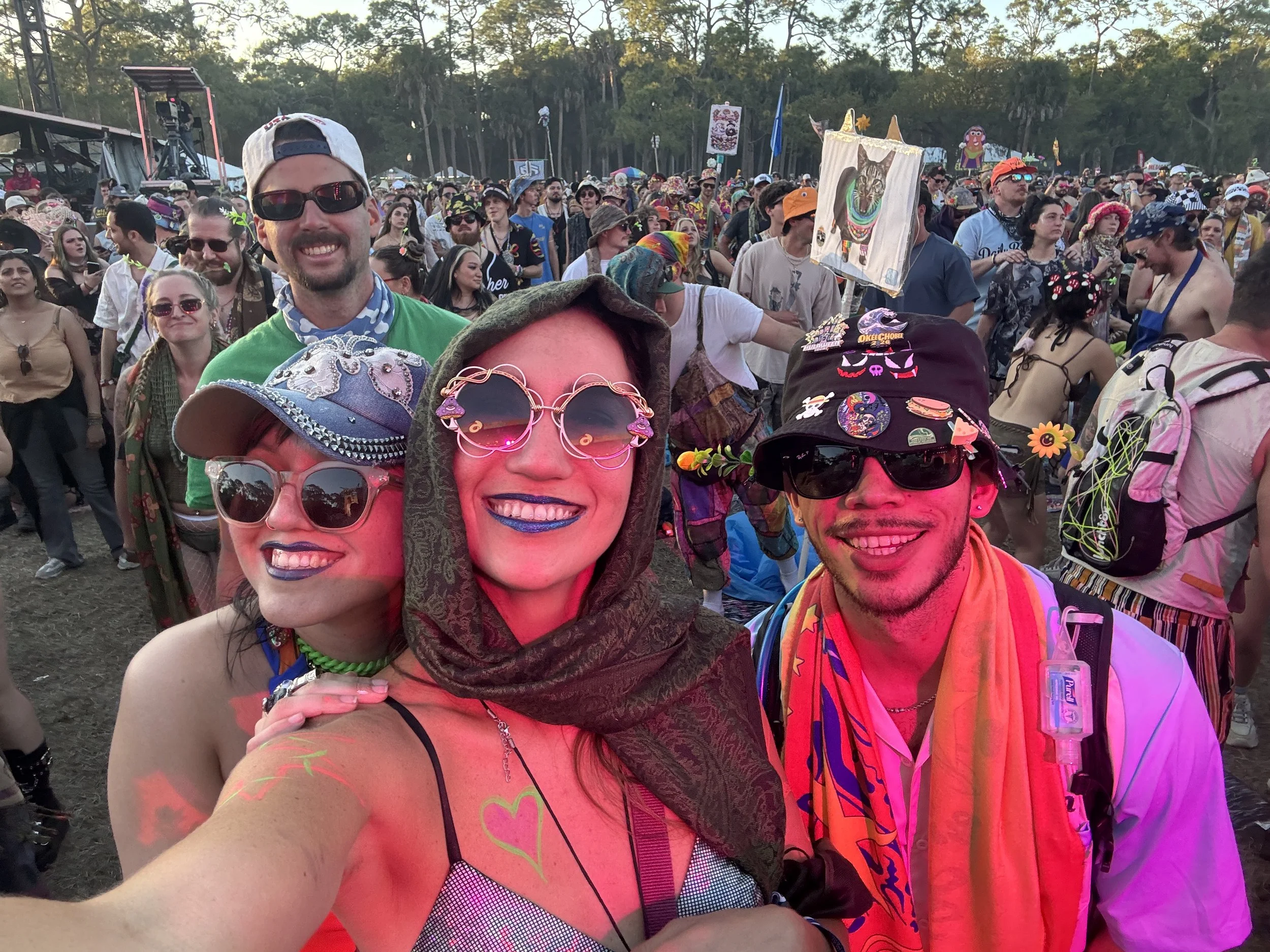
Okeechobee: Dancing Through the Portal to a Greener Future
Inside how one Florida festival is shaping behavior, food choices, and climate culture through lived experience
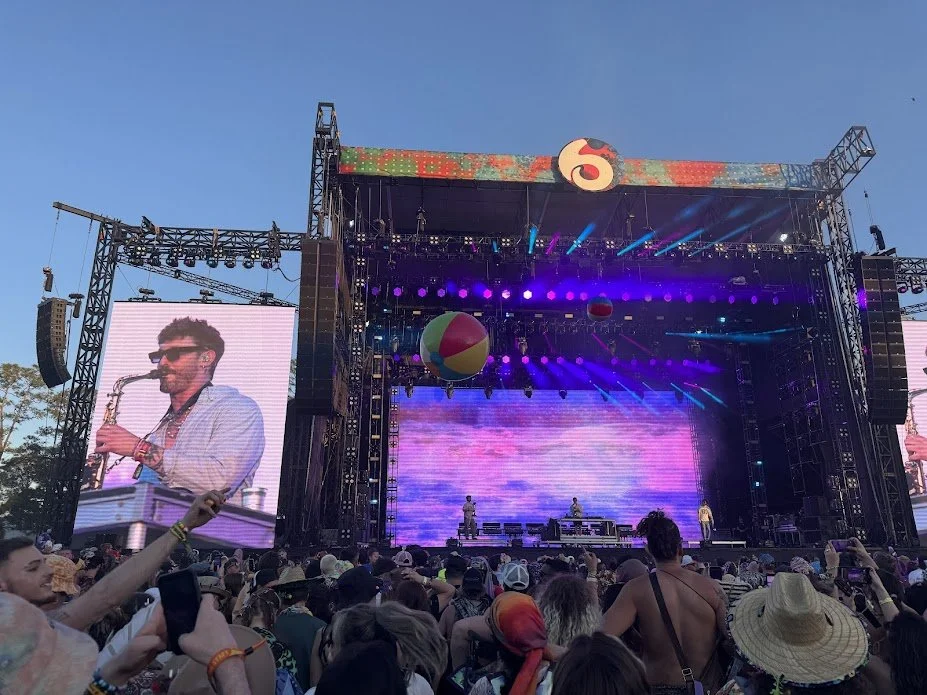
As the sun’s fading rays crept through the Spanish moss hanging on the cypress and pine trees in the Florida forest, GRiZ stood at the decks and lifted his saxophone toward the sky. His Chasing The Golden Hour set at the BE Stage felt like a transition point, not just from day to night, but into something more collective. As the crowd moved across the grounds, his closing words about taking care of each other and the environment didn’t feel like messaging. They felt like a reflection of what was already happening.
Over four days, thousands gathered in the forest at Okeechobee for a weekend of music, art, and connection. Plant Futures was on the ground speaking with artists and fans, paying attention to how sustainability, food, and culture actually show up in a space like this.
A Festival That Feels Lived In
Walking through the grounds, the first thing you notice is not a stage or a lineup. It’s the feeling of being inside the environment itself. The forest is not a backdrop. It shapes how people move, gather, and behave.
And even with the size of the crowd, it stays clean. People notice their surroundings and act accordingly.
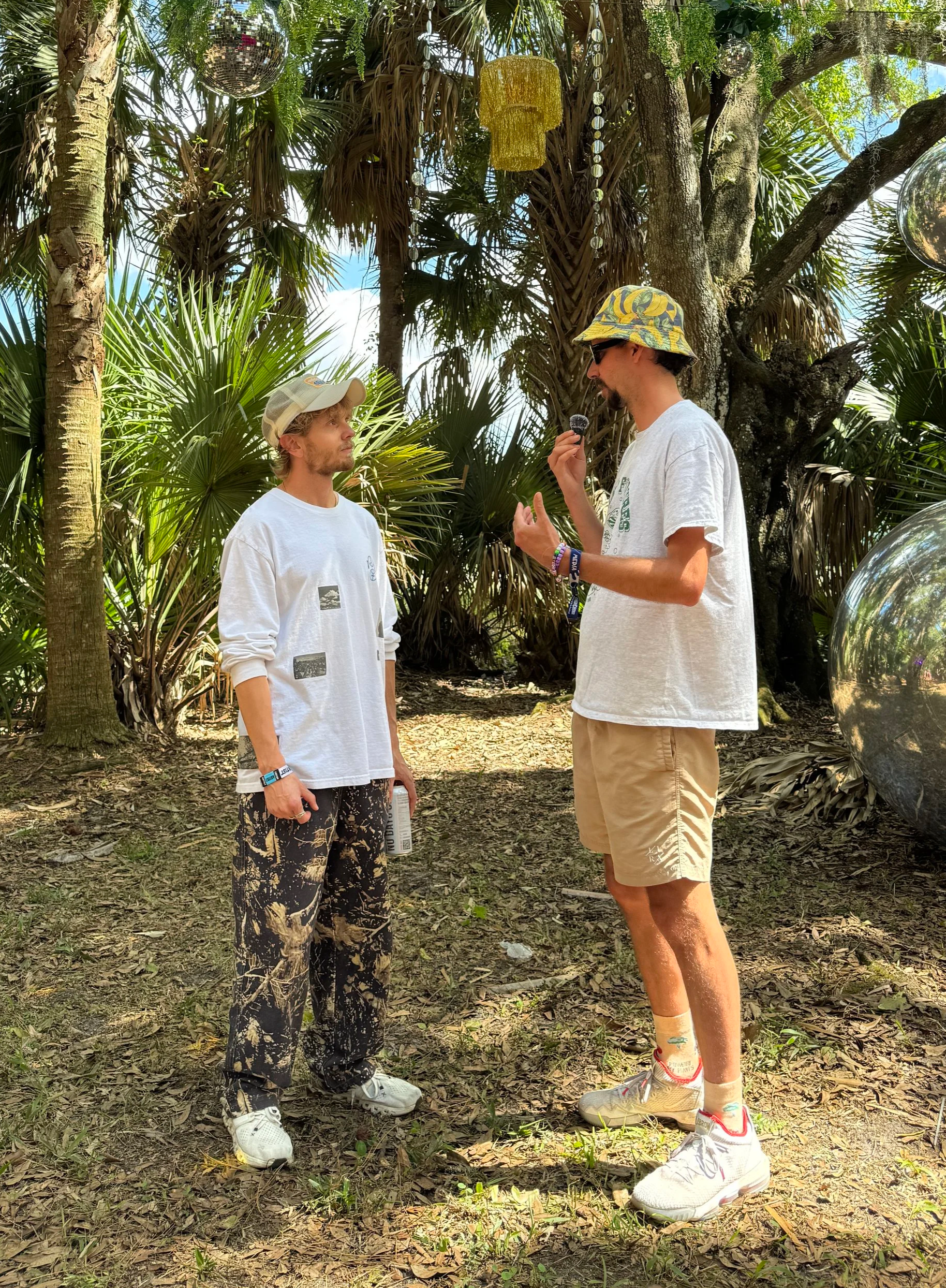
Covex, an electronic artist known for emotional dance music rooted, kept coming back to that feeling. What stood out to him wasn’t messaging, it was behavior.
“This is like a really clean festival… people are very respectful of the cans that they drink out of, and throw stuff away, recycle. Composting here too.”
He pointed to how small design choices shift the way people think without forcing it.
“When we’re doing things like drinking out of cans versus plastic… it just leaves a more positive head space… ’cause you’re not thinking about… ‘I’m screwing up the environment.’”
Where Behavior Actually Changes
There is something about festivals that makes people more open, and artists feel it just as much as the crowd.
Koastle, an indie electronic duo inspired by artists like ODESZA, Flume, and Porter Robinson, see festivals as one of the few places where people are fully present with each other.
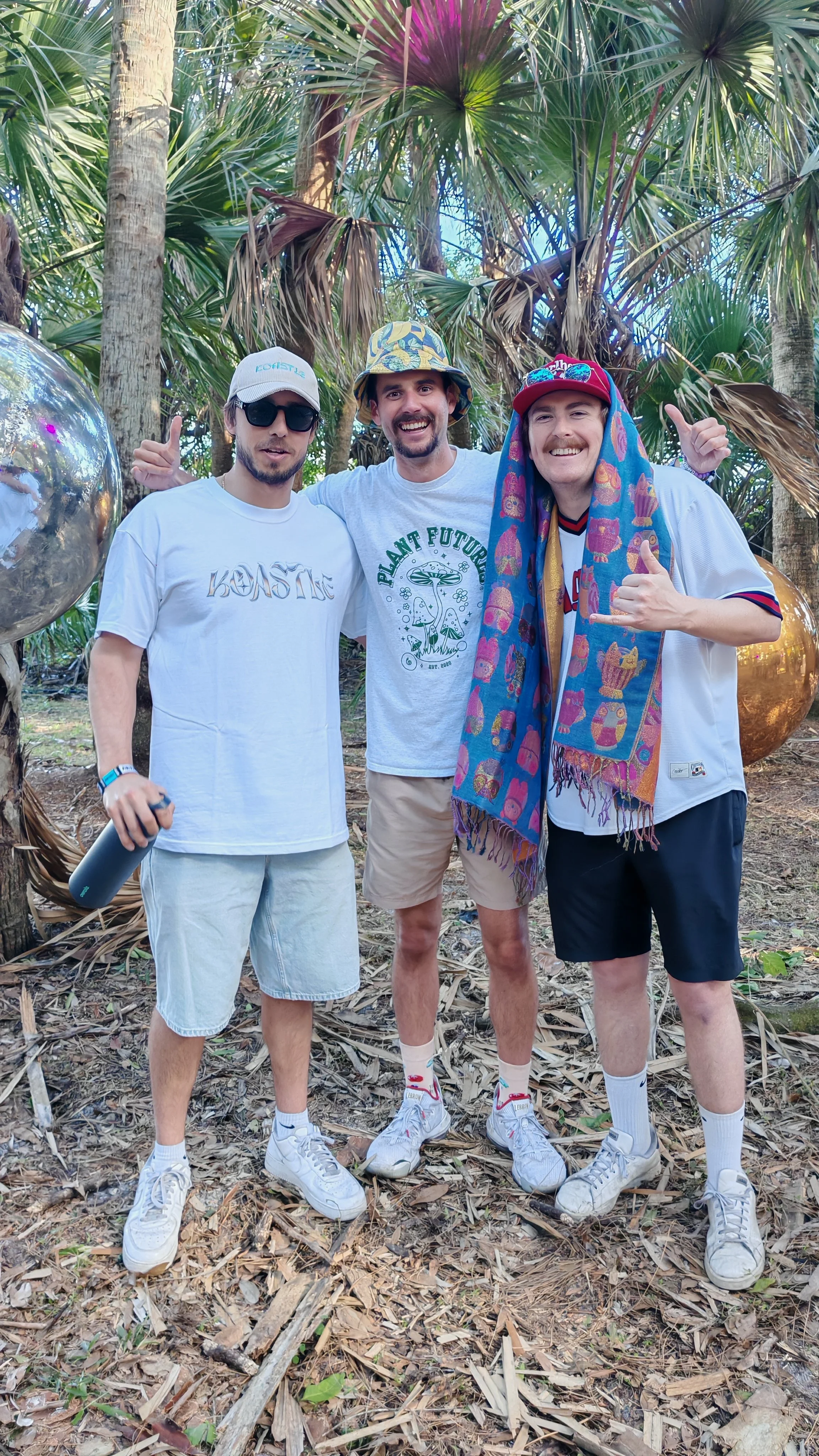
Andy put it simply:
“You’re standing next to somebody… you’re both experiencing something together… and experiences mean something. That’s where memories are made.”
In that kind of shared environment, ideas land differently.
Brett sees that as the opening for something bigger:
“This is where conversations can happen… where things start meaning more… and that’s where we have the opportunity to speak on things like sustainability.”
The Floridians, a psych-rock band influenced by artists like Pink Floyd and The Doors, described that same shift as a change in mindset that happens almost automatically.
“When you’re in a good mood, like at a festival, you’re more open and receptive… you just have that sort of altruistic look at things.”
That openness shows up in simple ways. Taking care of the space, looking out for others, and leaving no trace, all become more normal and expected as people come together in places like Okeechobee.
Making Sustainability Tangible
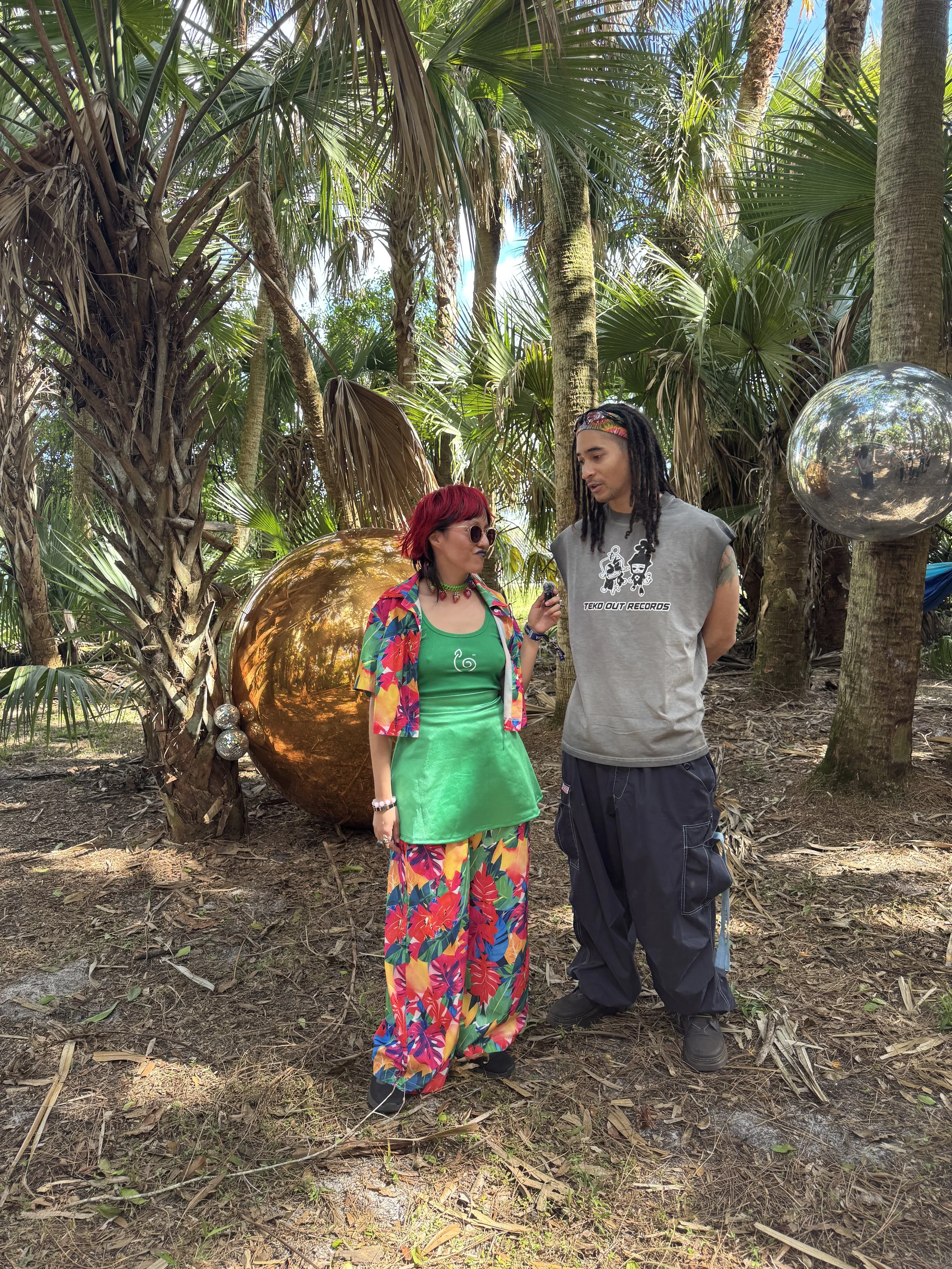
For artists like Davy Wreck, who blends techno, breakbeat, and design into a multidisciplinary practice, the opportunity is not just awareness. It’s making sustainability something people can actually engage with.
“It starts with education, and it starts with effort… if everybody does their part, then we can reverse everything and have that effect.”
But for him, information alone is not enough.
“You have to make it something people can engage with… interactive… something digestible… something they can actually feel.”
That thinking shows up in how festivals are designed. Not as a set of rules, but as an environment that guides behavior without over explaining it.
Food as a Cultural Entry Point
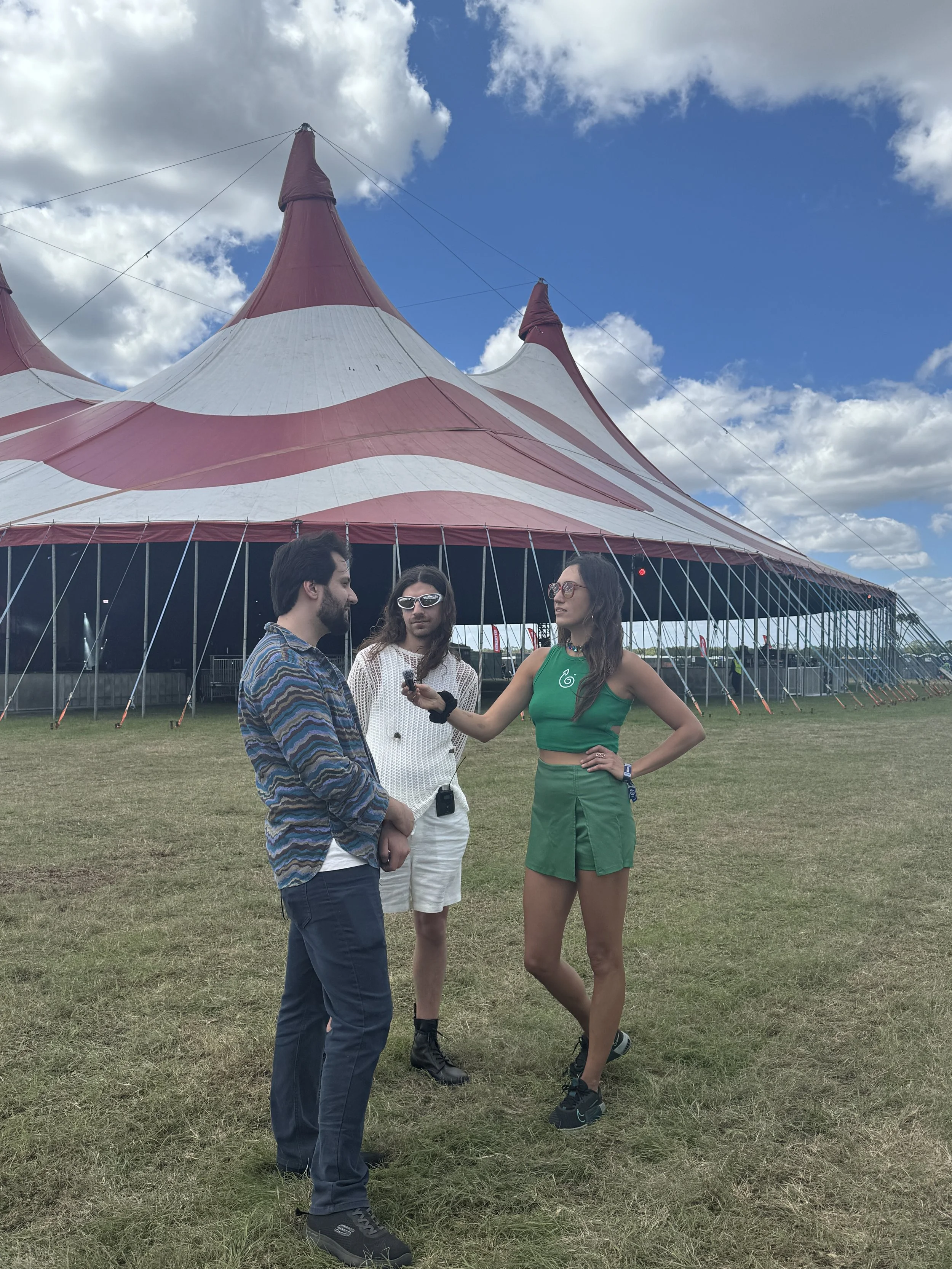
Food moves through the festival the same way music does. Constant, shared, and part of the experience.
David from The Floridians spoke about that connection from a place of experience, shaped by his background working in sustainability.
“I used to teach in food forests… we would grow crops and herbs… and teach the kids about sustainability, math and science in these food forests.”
For him, it was always about making it real. When people can engage with sustainability in tangible, social ways, it helps spread understanding. That same mindset carries into how he thinks about being an artist now, looking for ways to how musicians can use their platform to spread a positive message and festivals can be designed in ways that reinforce that message.
Pirate WiFi, whose sound draws from global and Caribbean influences, framed food at festivals in a way that connects back to culture and history.
“You gotta love Mother Earth… Ital is vital.”
“Ital” comes from Rastafarian culture and centers around eating food that is natural, plant-rich, and minimally processed, keeping it close to how it’s grown and where it comes from. He shared how caring for the environment and being connected to food was an everyday experience growing up. It’s something he hopes festivals can better embrace moving forward.
Presence Changes Perspective
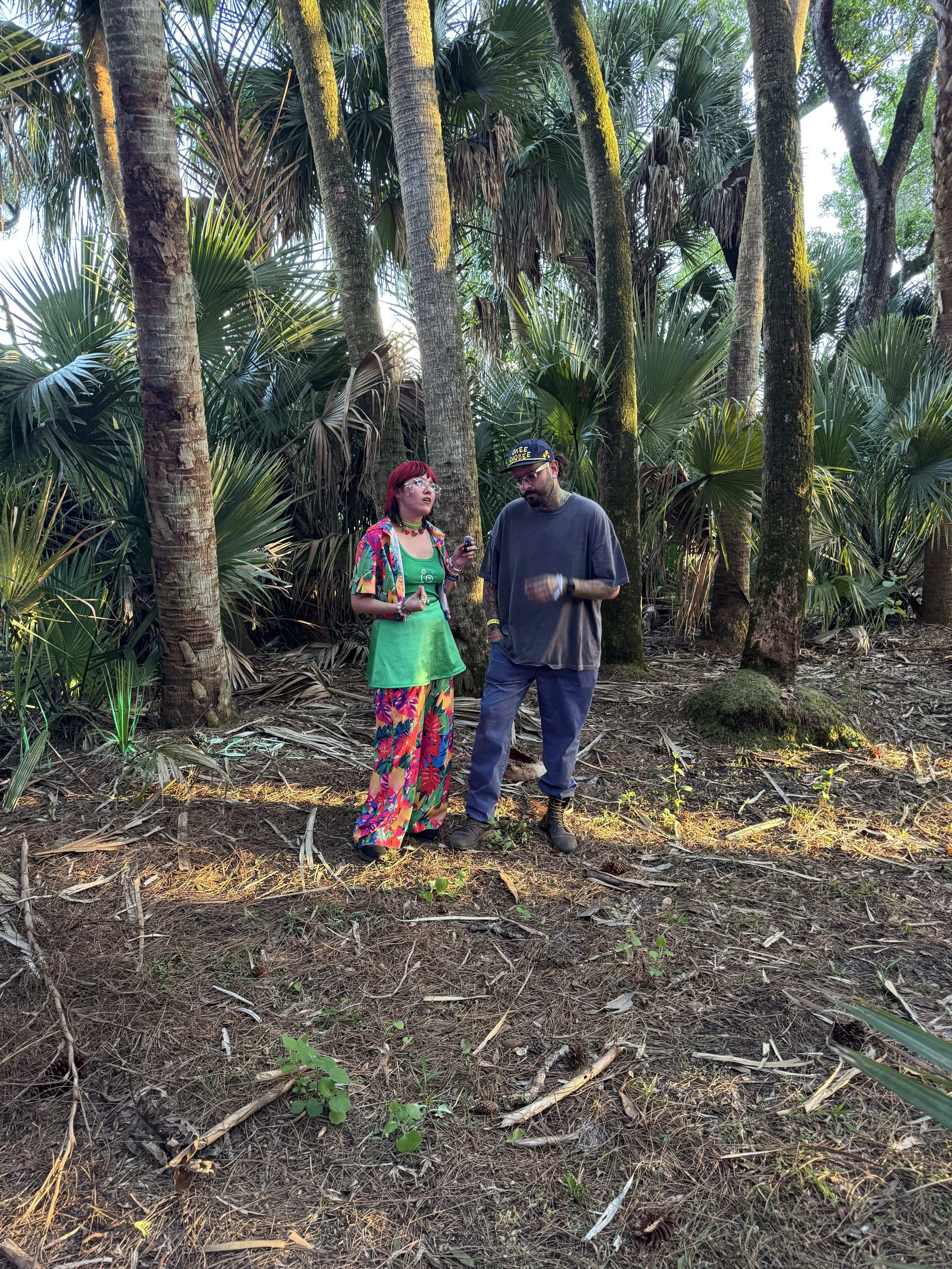
There was something else happening across the weekend that is harder to design but easy to feel.
Rafeeki, an artist creating world-based, “medicine” style music rooted in rhythm and frequency, described it in a way that cut through everything else:
“Being present… being in the moment… just being around frequencies and bass… it brings you to a place where you can actually feel things… where you can relate to certain things… and resolve what you’re going through.”
You could see it in the crowd throughout the weekend. People sitting in the grass, dancing barefoot, staying in one place longer instead of rushing between sets.
When people drop into that kind of awareness, the way they move through a space starts to shift. They notice more, take care of what’s around them, and act like they’re part of it rather than just passing through, which is often where more sustainable behavior can begin.
What Okeechobee Gets Right
Okeechobee points to something bigger than a single weekend.
It shows what happens when sustainability is built into culture instead of added on top of it. When the environment is designed with intention, behavior follows. People take care of the space, look out for each other, and try things they might not have otherwise.
That includes food, where plant-based options are simply part of the experience rather than something separate or emphasized. Grabbing dumplings or plant-based versions of classics between sets or trying something new can happen naturally, without needing explanation.
That’s the real opportunity for festivals.
Not just to talk about sustainability, but to create moments where people actually practice it, even in small ways. Because once people experience it for themselves in a positive place, it becomes something they recognize and return to.
That’s where Plant Futures is focused. Building environments where food, culture, and climate come together in a way people can feel and participate in. When that happens, the impact extends far beyond the festival grounds.