Where the next generation is learning to change our food system.
What happens when you bring together 32 students from 20 different disciplines, leading food systems experts, and nine innovative organizations tackling some of our food system’s biggest challenges?
That’s exactly what we’re exploring this fall at UC Berkeley through the Plant Futures Challenge Lab, co-taught by Miyoko Schinner and Brittany Sartor.
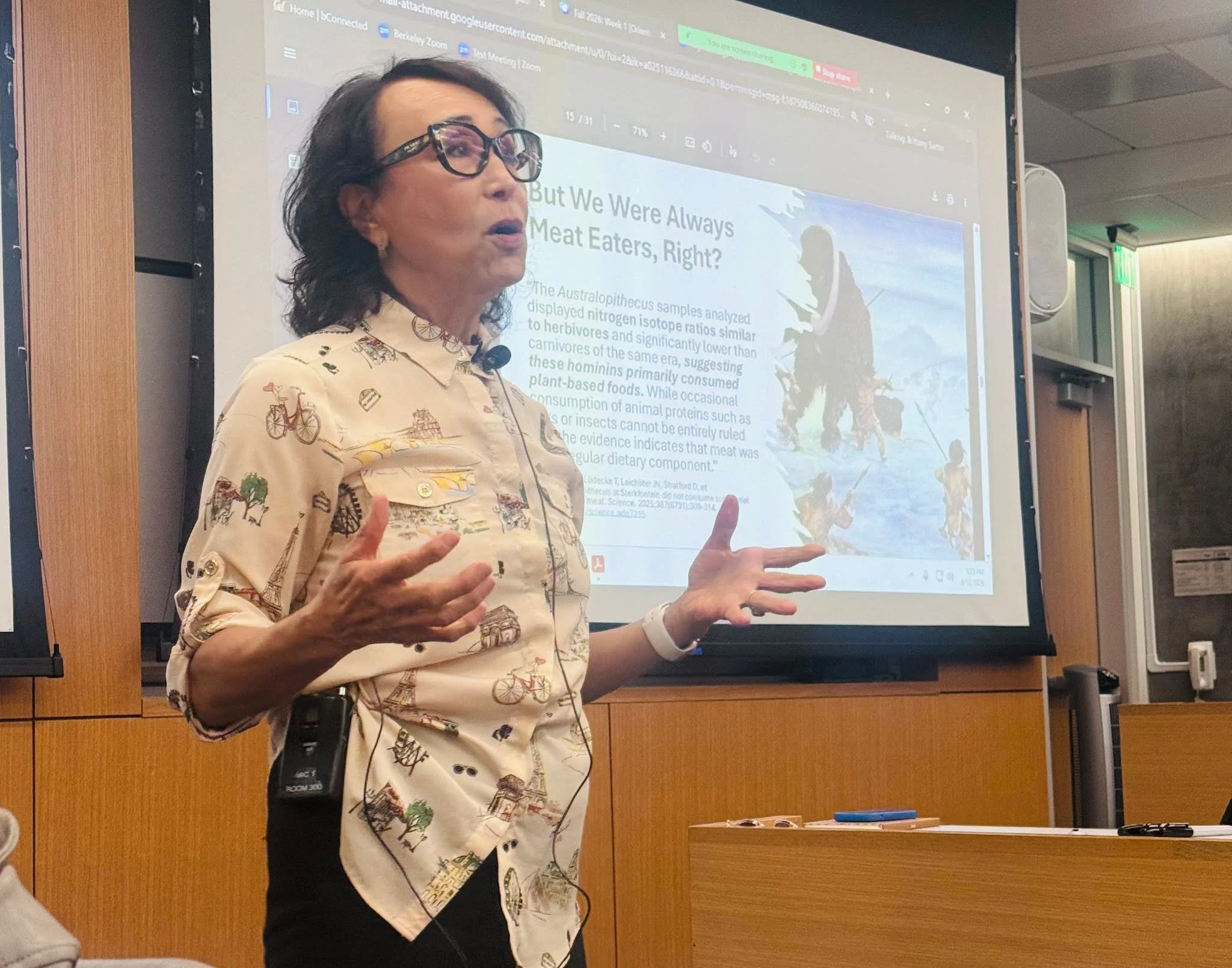
From climate science and animal welfare to food innovation, marketing, and entrepreneurship, students are examining our food system from every angle — and learning how to create meaningful change.
But this isn’t just about what happens in the classroom. Throughout the semester, students are working directly with organizations to turn what they’re learning into real-world solutions.
Learning From the People Leading Change
We’ve welcomed an incredible lineup of experts, advocates, and changemakers, each bringing a different perspective on how we can transform our food system.
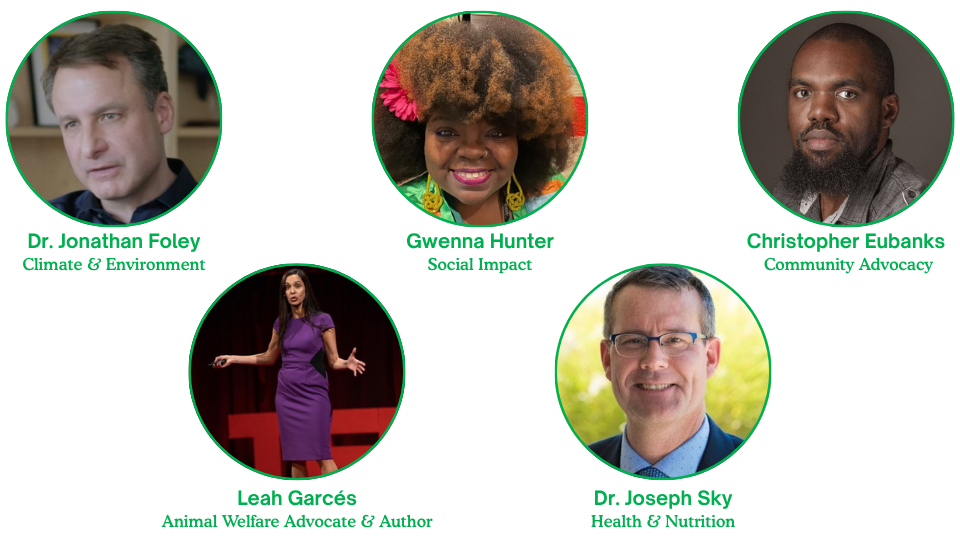
Dr. Jonathan Foley | Climate & Environment
Exploring the relationship between food, agriculture, and climate change, and how research-backed solutions and effective communication can accelerate progress.
Dr. Joseph Sky | Health & Nutrition
Connecting research on dietary patterns, nutrition, and public health with everyday decisions and long-term health outcomes.
Leah Garcés | Animal Welfare Advocate & Author
Exploring the realities of industrial animal agriculture, the people working within these systems, and the importance of finding common ground to build meaningful solutions.
Christopher Eubanks & Gwenna Hunter | Social Impacts & Community Advocacy
Highlighting the connections between food systems, environmental justice, community well-being, and the people most affected by industrial animal agriculture.
Together with instructors and other classroom contributors, these perspectives are helping students understand not only why our food system needs to change, but how change happens.
From Classroom Learning to Real-world Impact
The Challenge Lab’s unique model goes beyond lectures and readings.
Students collaborate with innovative organizations and companies in the plant-based and sustainable food sector, applying their interdisciplinary skills to real-world challenges spanning food innovation, institutional dining, climate action, circular food systems, entrepreneurship, workforce development, and community engagement.
Through research, creative problem-solving, and hands-on consulting, they’re gaining valuable professional experience while contributing fresh ideas to organizations working to build a better food system.
Our Fall 2026 Challenge Partners
Not Your Typical Class Assignments
Whether they’re crafting persuasive messages, developing solutions for industry partners, or exploring how to maximize their career impact, Challenge Lab students are learning how to influence the conversations, decisions, and systems that shape our food future.
Op-Ed Writing: Learning to turn research and personal perspectives into persuasive arguments for public audiences.
Design Thinking Workshops: Applying collaborative problem-solving methods to real challenges faced by partner organizations.
Career Development & Impact: Building industry-specific skills, exploring concepts like earning to give and how to make the most of the roughly 90,000 hours we spend working in our lifetimes, and learning to apply behavioral change strategies, like shifting defaults, to create impact in any career.
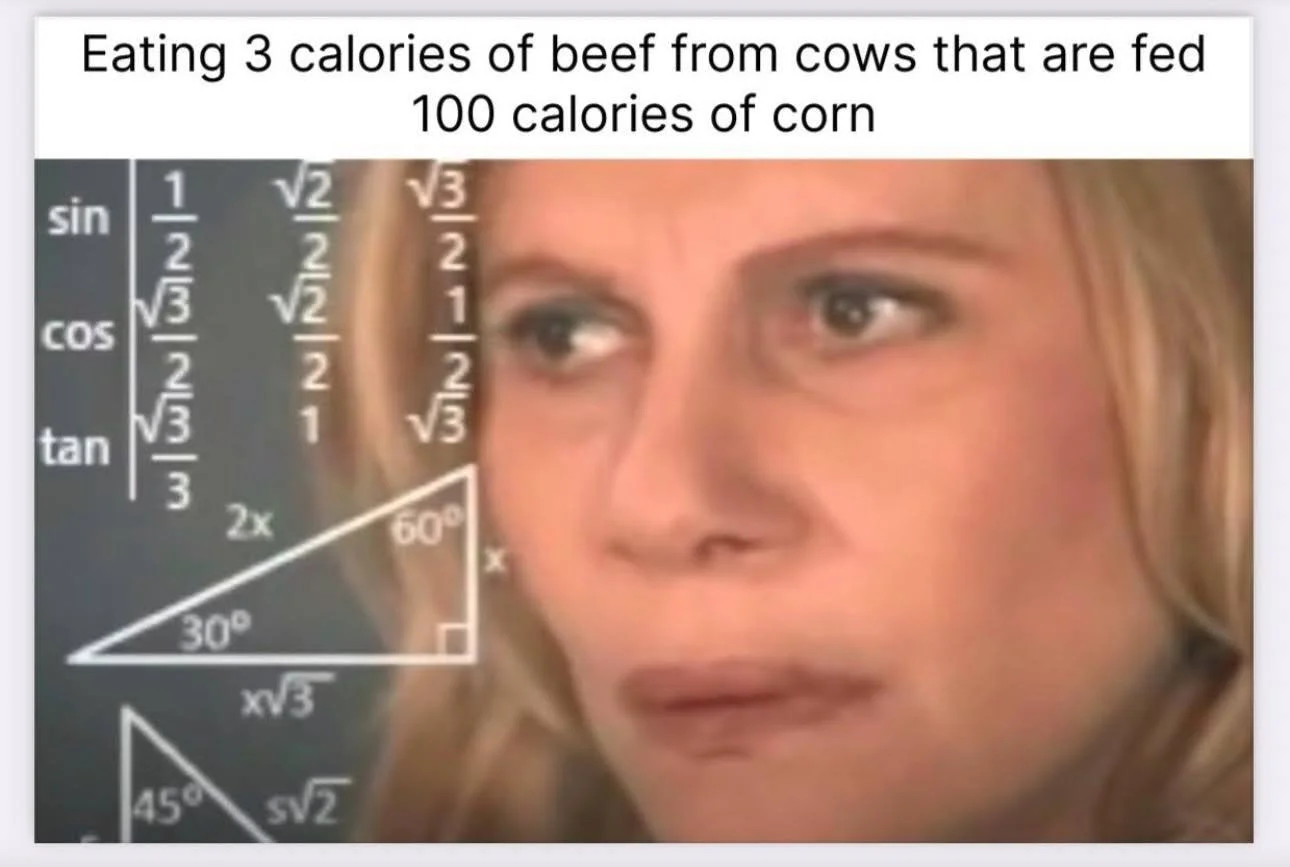
Media & Meme Challenge: Using creativity and cultural relevance to communicate food systems issues in ways that engage new audiences.
Interactive Discussions: Diving into topics including food policy, health research, misleading food labels, animal welfare, and the social impacts of food production.
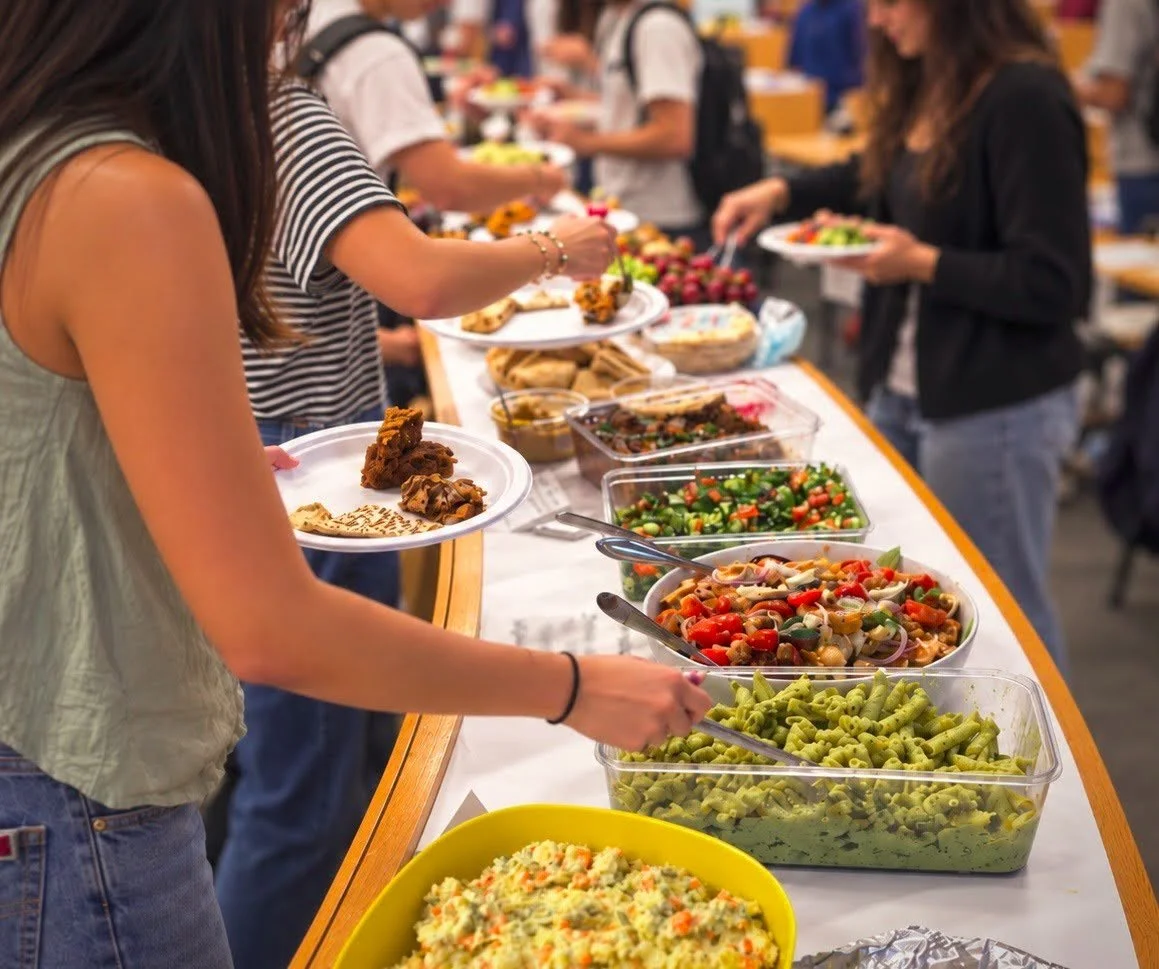
And yes, there has been a plant-based potluck, too!