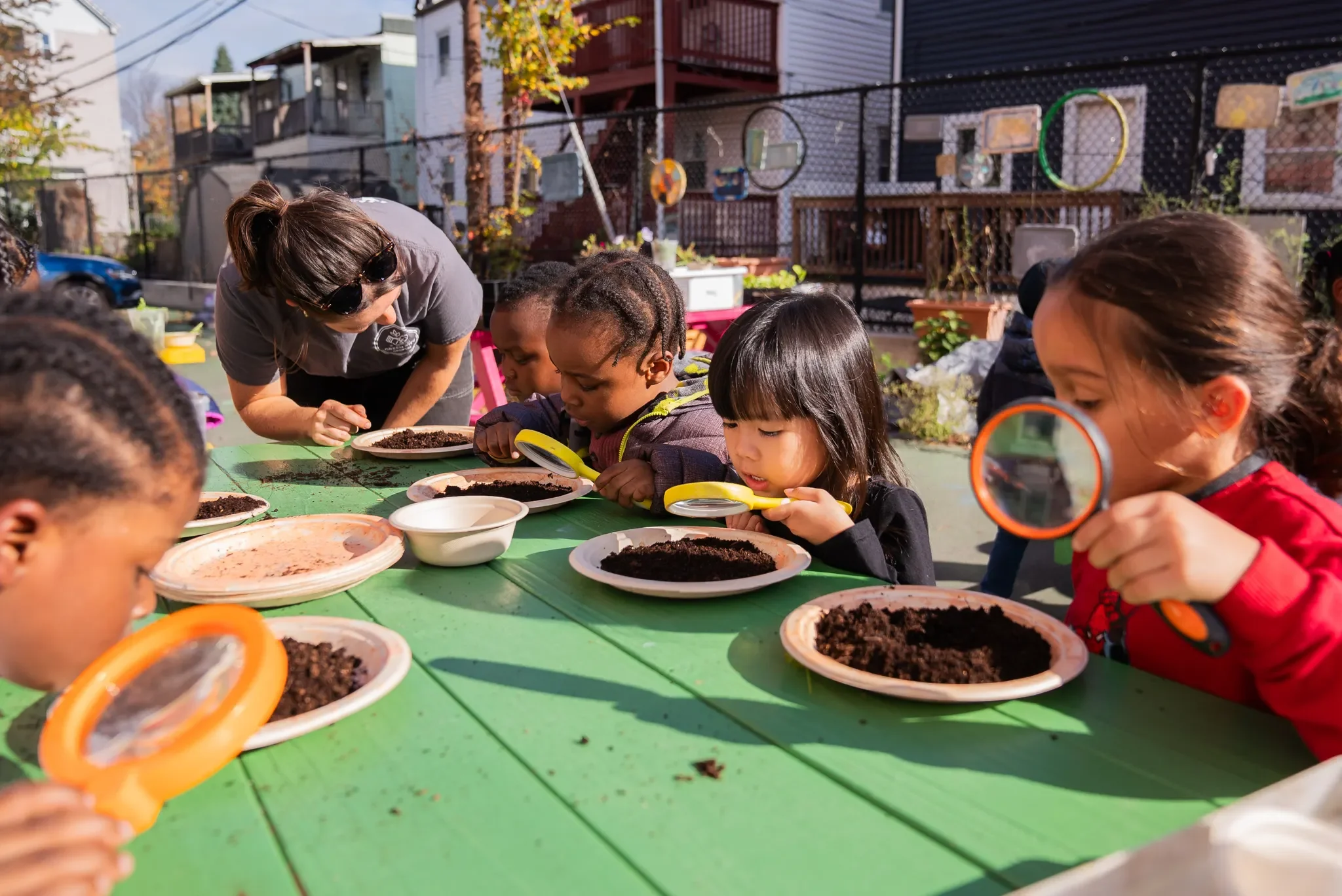
When Sara Rostampour left college, she didn’t imagine she would one day be helping run a farm at Fenway Park, shaping school garden programs, or supporting farmers across Boston. Yet much of her impact now happens in places where people don’t expect to see agriculture at all: the corner of a schoolyard, the roof of a ballpark, a garden tucked between office buildings. Her path into urban agriculture unfolded slowly and unexpectedly, shaped by curiosity and a desire to understand food by learning how to grow it. Her journey offers a grounded look at what it takes to build a meaningful career in food systems today.
Learning to See Agriculture Up Close
Sara entered the University of Minnesota as a nutrition major because a scholarship made college possible. What she didn’t expect was that the scholarship required agriculture-focused classes, which would change her perspective.
She found herself sitting next to students from farm families, listening to conversations she hadn’t heard before. Environmental advocates frustrated with farming practices. Farmers frustrated at being misunderstood. These people cared about land and food, but saw the issues from different angles.
“I was 18, hearing the environmentalists saying one thing and the farmers saying another. It was the first time I really saw how complicated it all is.”
After graduating, she worked at the WIC office in Minneapolis. The work was important, but she started to feel the limits of talking about nutrition without understanding production. She began taking long walks around a lake near her home, trying to figure out what came next. The same thought kept returning: she wanted to learn how to grow the food she talked about.
She enrolled in a horticulture master’s program with a focus on vegetable production at Cornell. But the real learning happened in greenhouses and fields, in long seasons that revealed what books couldn’t.
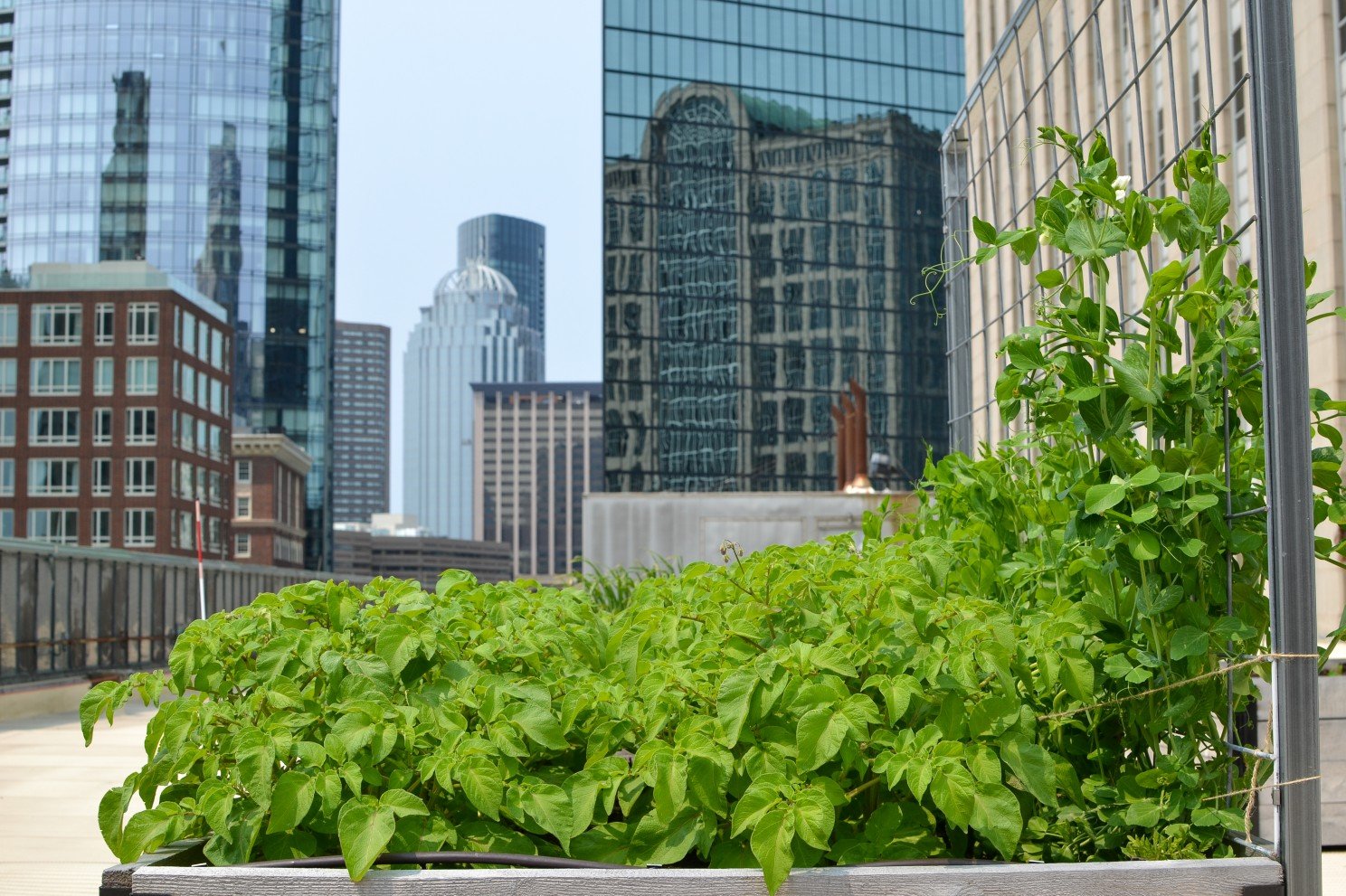
A corporate growing site Sara helps support
The Reality of Farming Work
Production farming taught her both skill and honesty. Equipment failed at the wrong time. Crops were lost to pests. Some decisions didn’t show their consequences until months later. She remembers one moment clearly:
“I’ve been the farmer who is so burnt out I don’t have time to spray. I lose the crop, and the customers end up buying from someone who did have the time. I don’t want people in that situation.”
When she became a parent, she started thinking about sustainability in a different way. Not the environmental version, but the personal one: what it meant for the people doing the work. That question eventually brought her to Green City Growers.
Building Urban Farms That Actually Work
Today, Sara is a senior leader at Green City Growers where she supports farmers who manage food-growing spaces across Boston: rooftops, schoolyards, corporate campuses, and even Fenway Park.
Her work is practical and hands-on through soil testing, crop planning, and troubleshooting hydroponics. A core focus for her is preparing farmers to succeed in small spaces with real constraints.
Urban agriculture isn’t simple. Light is limited and space is tight, and those realities shape how every decision gets made. But these environments also allow people to see agriculture where they live. A rooftop garden might reach thousands of people. A school garden might shape a child’s relationship to food. None of that works without a structure that supports the growers.
Fenway Farms: Growing Food Above a Ballpark
One of the most visible projects Sara helps oversee is Fenway Farms, the rooftop garden at Fenway Park. From tour walkways, visitors can see herbs, greens, potatoes, and other crops growing above the stadium. The produce goes to the culinary team, who plan around what makes sense to grow in the space. Seeing food grow in a place like this brings agriculture into everyday view and makes it feel connected to the city
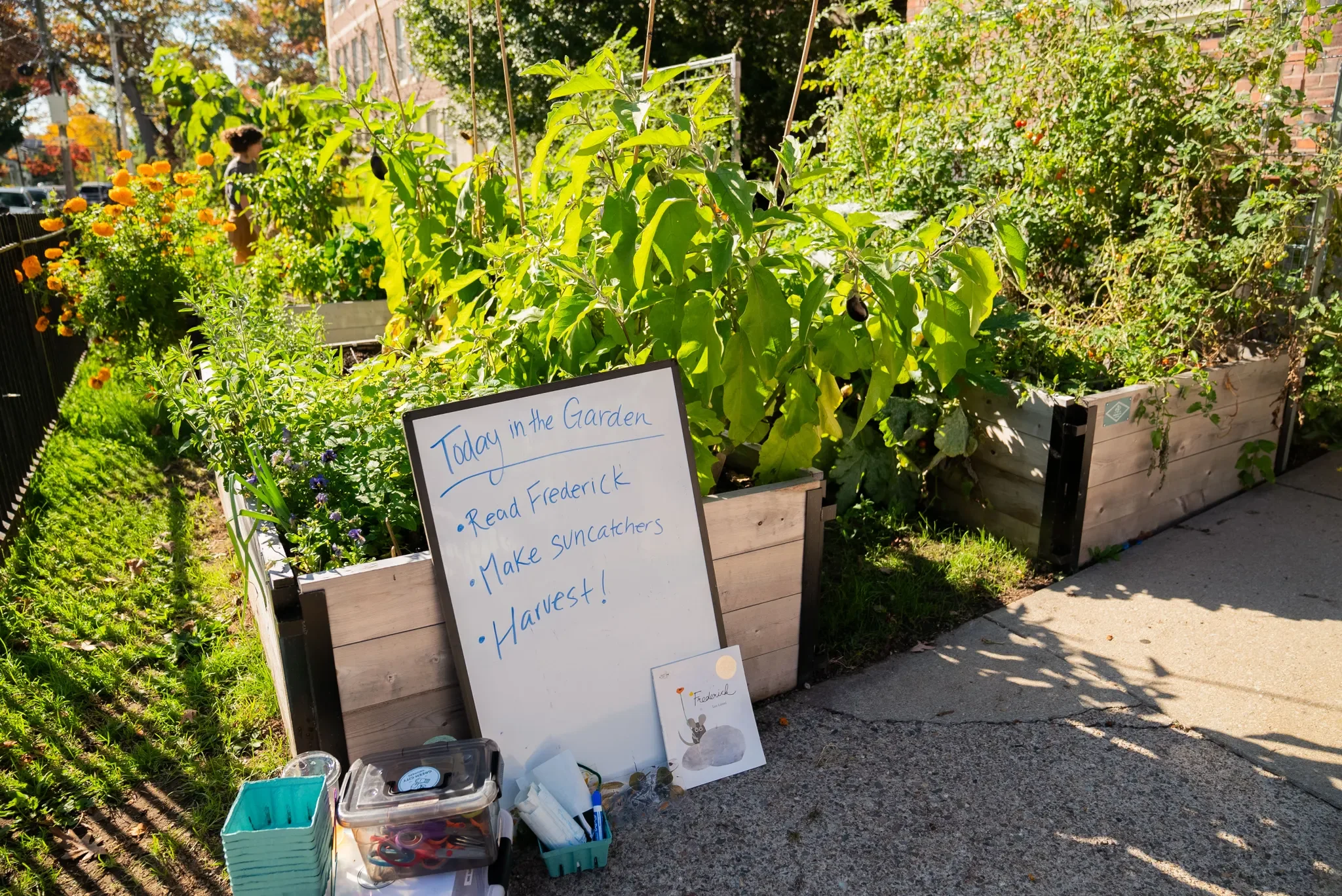
Boston Public School garden site
Working With Boston Public Schools
Green City Growers also partners with Boston Public Schools to build gardens designed to be both productive and educational. Students are able to harvest food they recognize, taste, and bring home. These gardens succeed because there’s real structure behind them: training for farmers, operational support when needed, and systems that prevent a single grower from being stretched thin.
“I want the farms to look good and I want the farmers to feel proud, not overwhelmed. The support has to match the complexity.”
This balance is central to Sara’s approach.
Humility and Respect for Legacy Agriculture
A theme that appeared throughout our conversation was humility. Sara believes that new voices in food systems should stay open to learning from people who have been farming for generations.
“Every one of us is eating food produced by legacy agriculture. There’s a shortsightedness in assuming we know better than people who’ve been doing it longer.”
For her, being effective in this field means listening more than assuming, and staying curious instead of certain.
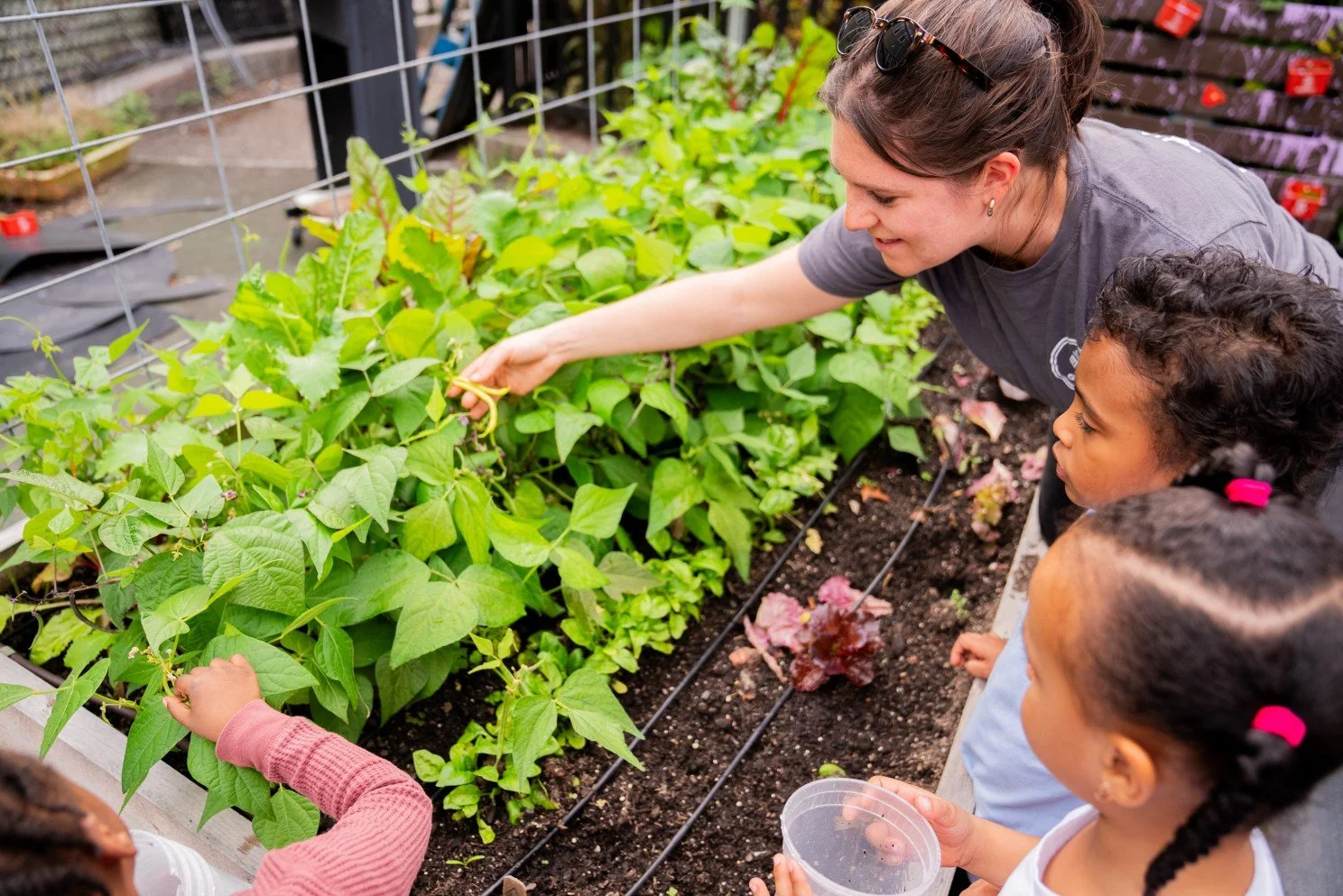
BPS garden lesson
What Her Journey Can Teach Students and Early-Career Practitioners
Talking with Sara left me with a few lessons that feel especially useful for anyone starting out in food systems:
1. Think practically about money. Heavy student debt makes food work harder to access, and most farms cannot offset that burden.
2. Give yourself enough time to learn. Agriculture only makes sense across seasons, and understanding comes from seeing patterns repeat.
3. Be honest about where you fit. Some people thrive in the field, while others contribute through logistics, education, design, or community partnership. There are many ways to be part of this work.
Reflections from Sara's journey
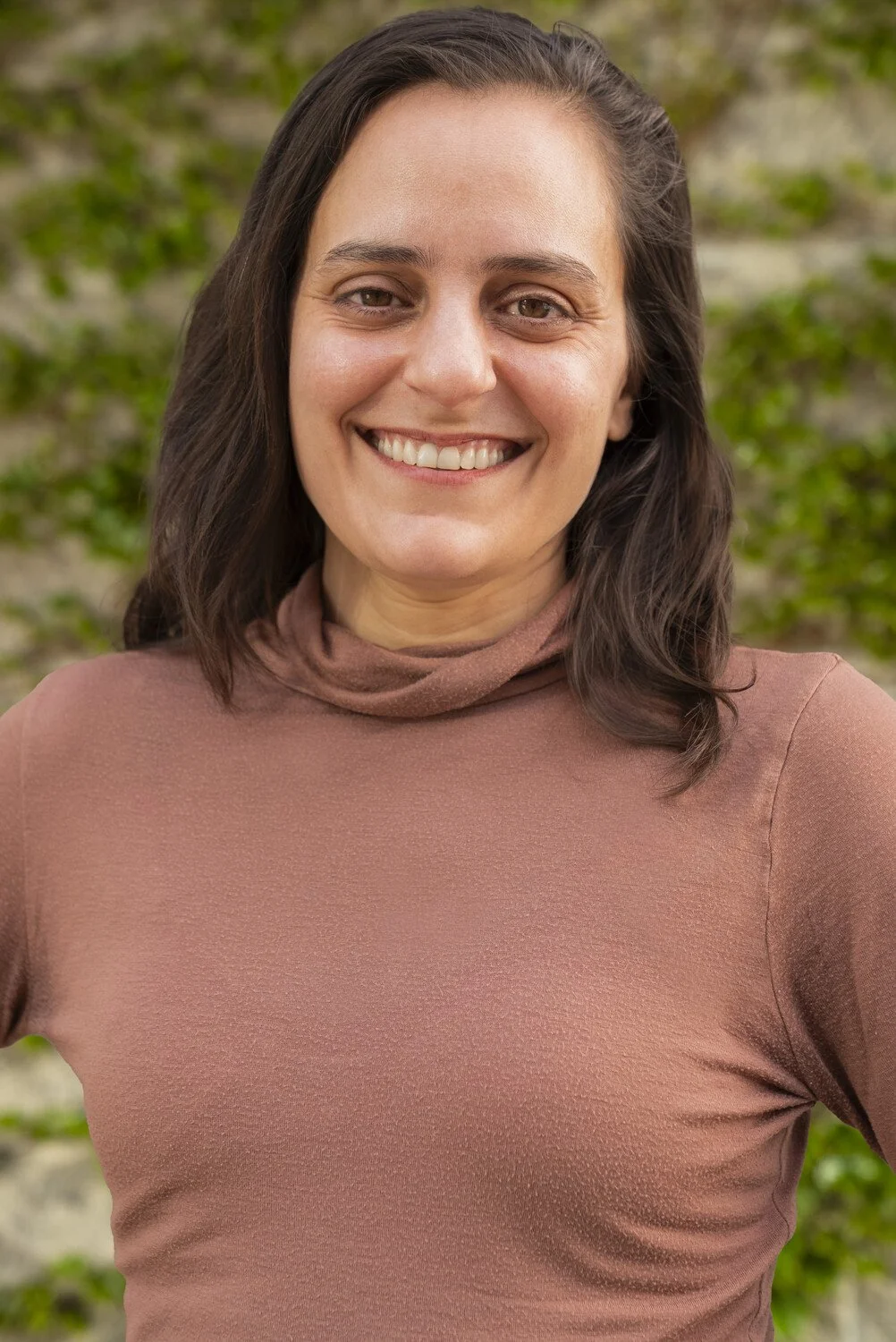
What stayed with me after talking with Sara is how steady her path feels. No big dramatic leap. No perfect roadmap. Just paying attention to what felt meaningful and following it season by season. Her work shows how food systems can take shape in cities, on rooftops, in schoolyards, and within partnerships that make the work possible. It’s a reminder that change often comes from people who stay close to the work and keep learning.
“People who care are always looking at what’s going wrong, but it’s important to step back and see what’s going well.”
Hearing her say this made me think about the growers and students I’ve met who carry that same instinct. They see the problems clearly, but they also notice what’s working and use that to keep moving forward.
For anyone trying to find their place in food and agriculture, her journey shows that clarity comes from doing the work, paying attention, and staying open to where it leads.